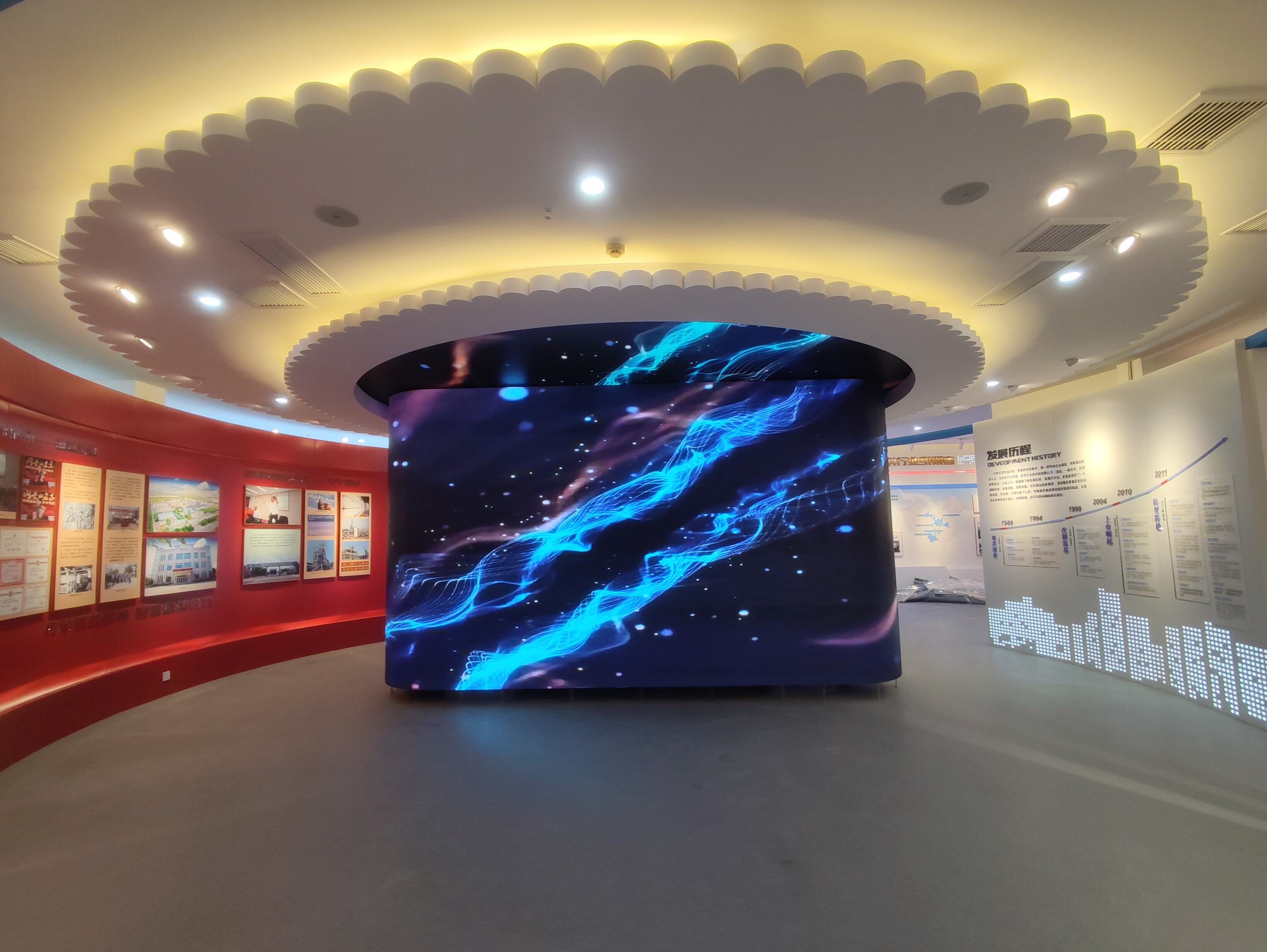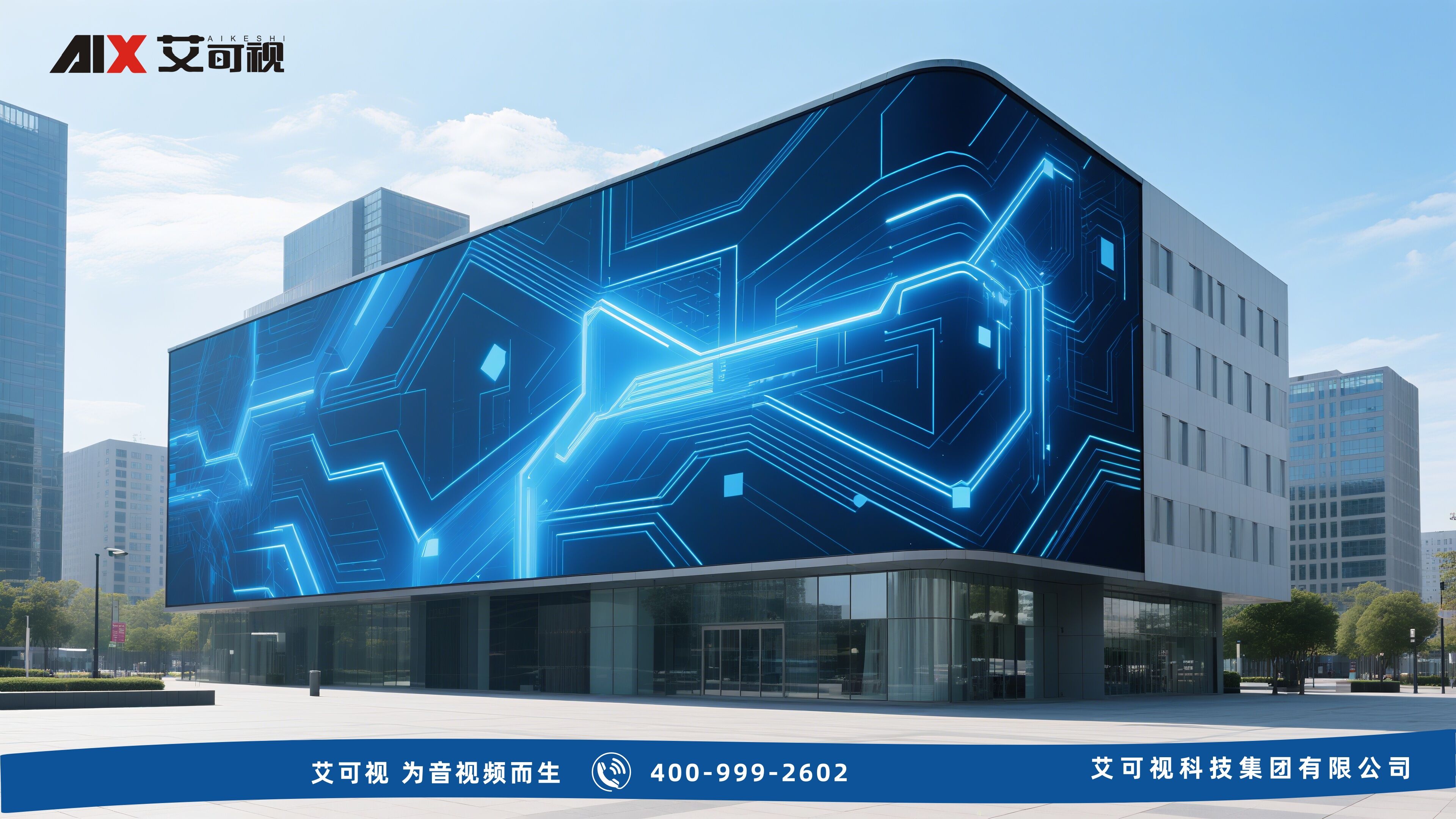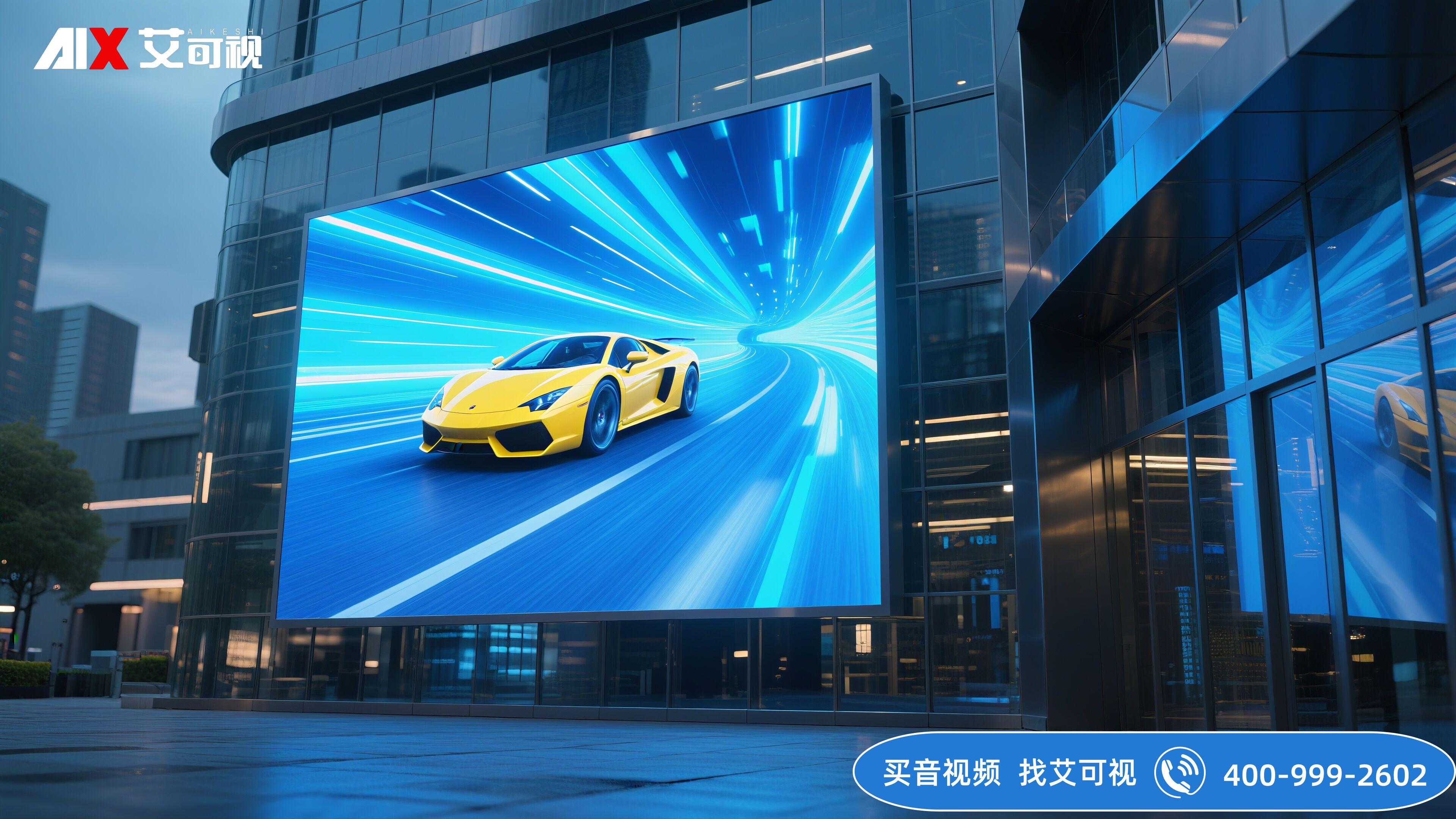
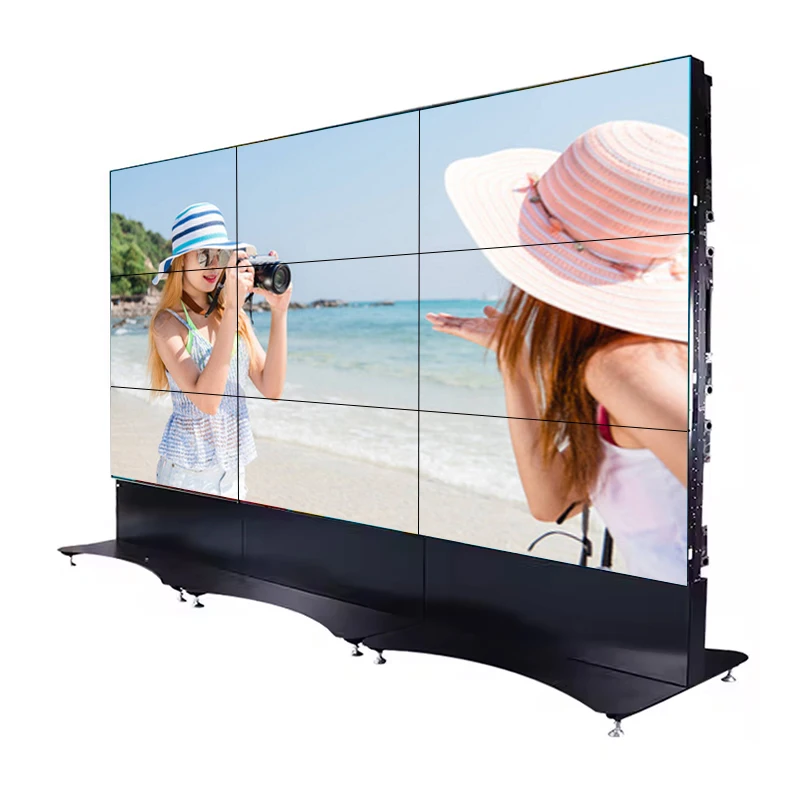
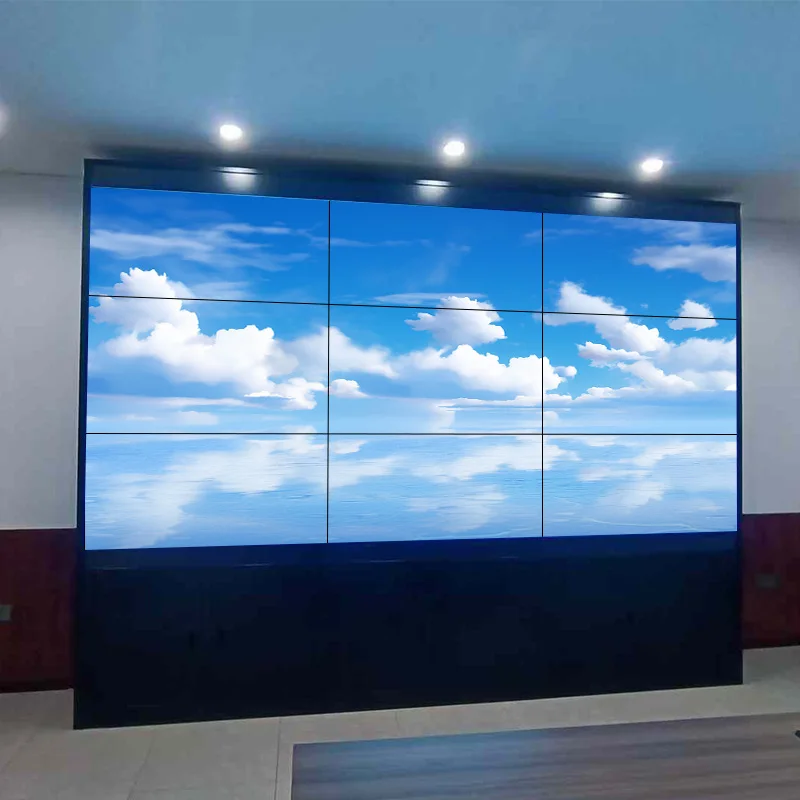
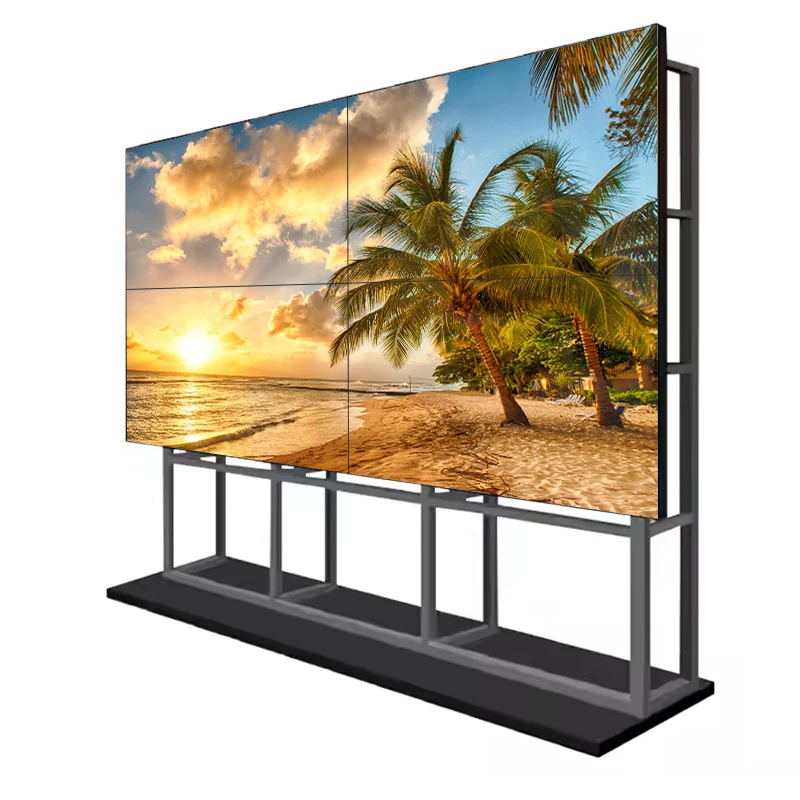
Indoor LED small pitch displays are designed for close-viewing environments—such as control rooms, command centers, corporate lobbies, or museum exhibits—where fine details matter, and our indoor LED small pitch displays (with pixel pitches from P0.8 to P2.5) deliver exceptional clarity and immersive visuals. Our indoor LED small pitch displays use ultra-fine LED chips and a narrow bezel design, ensuring seamless splicing for large video walls with no visible gaps. The small pixel pitch means more pixels per square meter: a P1.2 small pitch display has over 694,000 pixels per square meter, delivering 4K-level clarity even for small to medium-sized screens. This makes them ideal for displaying detailed content like data charts (in control rooms), high-resolution images (in museums), or brand videos (in corporate lobbies). Our indoor LED small pitch displays feature a high color gamut (99% NTSC) and high contrast ratio (15,000:1), reproducing true-to-life colors and deep blacks—critical for applications like medical imaging (though not for diagnostic use) or art exhibits. They also operate quietly, with no noisy cooling fans, making them suitable for quiet environments like libraries or meeting rooms. We offer customizable sizes and aspect ratios, and integrate smart features like remote content management (via cloud platform), brightness auto-adjustment (based on ambient light), and 24/7 operation support (with low power consumption). As part of our services, we conduct on-site surveys to assess lighting and installation conditions, provide 3D renderings to visualize the indoor LED small pitch display, and professional installation by technicians trained in small pitch alignment. Each unit undergoes strict testing for pixel consistency, color accuracy, and performance, and we offer a 2-year warranty with timely after-sales support. Whether you’re monitoring data in a control room or showcasing art in a museum, our indoor LED small pitch displays deliver the detail, quality, and reliability you need, embodying our principle of "technology as support".