EN
EN

Outdoor & Adventure Use: Portable TV for Mobility and Resilience
Portable TVs enhance outdoor experiences by delivering entertainment and critical information in environments where traditional screens are impractical. Their compact, lightweight designs are built to endure rugged conditions while maintaining reliable connectivity.
Camping, Road Trips, and Remote Connectivity
Portable TVs have become real lifesavers for people camping in the wilderness or traveling through places where there's not much going on in terms of infrastructure. These devices are built tough with materials that can take a beating - think polycarbonate or ABS plastic that won't crack under impacts or fade when exposed to sunlight. The inside parts are specially designed to keep working even when things get bumpy during transportation over rough trails. And let's not forget about those batteries that last forever, allowing folks to check weather updates, catch up on local news, or just watch their favorite shows while away from civilization. With all these features combined, these little boxes of entertainment and information have proven themselves indispensable for anyone wanting to stay connected despite being miles away from cell service towers.
Tailgating, Backyard Cinema, and Weather-Resistant Design
Portable TVs really shine when used outside at gatherings. Most models come with weatherproof shells that keep them safe from rain, dirt, and moisture, making them perfect for those weekend football parties or family get-togethers in the yard. The screens are bright enough to watch even when the sun is beating down, and most have Bluetooth so folks can hook up their own speakers easily. What makes these TVs stand out is how they manage to be tough enough for rough handling yet still light enough to carry around between different spots at events.
Professional Applications: Portable TV in Business and Education
On-the-Go Presentations at Conferences and Trade Shows
The portable TV game changer is making waves in professional settings thanks to how easy they are to set up anywhere, anytime. These little powerhouses work wonders in those super bright trade show floors where traditional projectors need pitch black conditions to function properly. The screens stay crystal clear even under harsh lighting without needing any special adjustments. Marketing folks love dragging these around convention centers for product demos at their booths while managers appreciate the batteries that let them conduct last minute strategy sessions right there in hotel lobbies or outside on the sidewalk. Most models come loaded with all sorts of ports these days– HDMI, USB-C, and wireless options make connecting to almost any device straightforward. Built tough enough to survive constant shipping between cities, these units rarely throw a fit mid-presentation which keeps audiences engaged rather than distracted by tech issues ruining the moment.
Sales, Training, and Collaborative Data Visualization
Interactive display screens are changing how businesses approach sales and employee training across various industries. When clients visit showrooms or walk through stores, sales reps can now showcase products in much greater detail than before, which really helps people who learn better when they see things visually. Many companies have started swapping out their old projectors for portable TV units during training sessions. These let trainers mix in video clips, run live demos, and even show real time stats from different departments. The biggest difference comes when workgroups get together around one big screen to look at graphs together, mark up reports, track patterns in customer behavior, and throw around ideas without switching between multiple devices. With cloud connections built right into most models today, employees can pull up whatever info they need instantly no matter where they happen to be working from. Some early adopters have seen decisions made 30% quicker after implementing this tech, plus there's been noticeable improvements in cross department collaboration according to recent internal surveys.
Home & Lifestyle Flexibility: Portable TV Beyond the Living Room
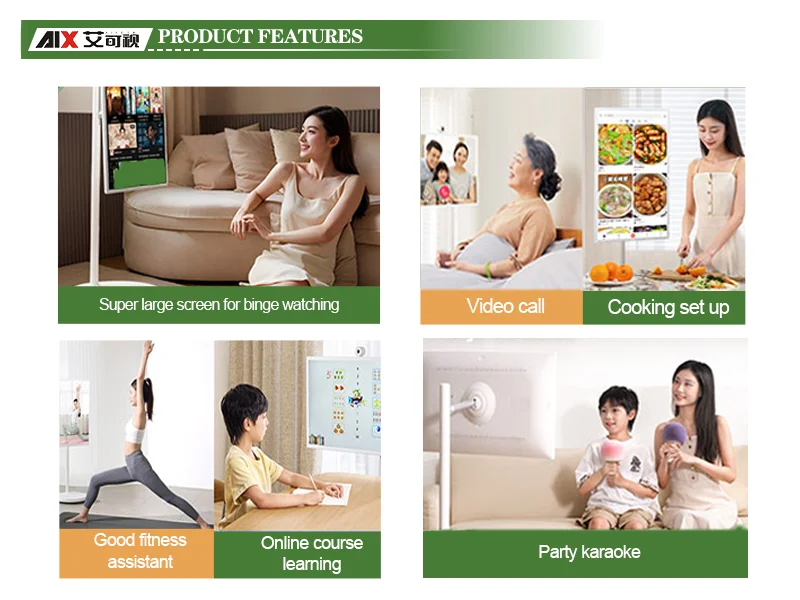
Portable TVs free people from being tied down to one spot for watching shows, which fits pretty well with how we all live these days where nothing stays put for long. These little boxes are light enough to carry around so folks can catch the morning news while making breakfast, binge nature documentaries out back on the patio, or just kick back with a movie in bed instead of dealing with mounting a big screen somewhere forever. The ability to move them around actually solves those annoying family schedule clashes too. Mom wants to see her soap operas while dad is into sports highlights? No problem at all when everyone has their own screen going in different rooms. And let's not forget about blackouts either. When the lights go out, most models come with internal batteries that keep working so important weather alerts still come through plus people can continue streaming what they need during emergencies. They switch seamlessly from regular day stuff like cooking dinner to fancy events where someone turns the dining room table into a temporary movie theater setup overnight or needs to join a work meeting via webcam from anywhere in the house really.
Healthcare, Emergency Response, and Specialized Portable TV Use
In high-stakes environments, portable TVs provide mission-critical functionality where reliability and mobility are paramount.
Patient Engagement and Monitoring in Clinical Settings
Portable TVs have become an important part of hospital and clinic settings where they really do make a difference in patient comfort and overall care experience. When someone is stuck in bed for days on end, having access to shows, movies, even educational programming can go a long way toward reducing stress and boredom. These medical grade units come with special features like antimicrobial coatings on the surfaces which helps keep germs at bay, plus they run quietly so they don't bother other patients nearby. Doctors and nurses actually find these screens useful too - sometimes displaying vital signs right at the bedside or connecting patients with specialists via video calls from another location. Isolated individuals especially benefit since the screen becomes their window to the outside world, letting them see loved ones or chat with staff members face to face. And let's not forget about those extra long batteries that last through transfers between wards or when there happens to be a brief power outage somewhere in the building.
Disaster Coordination and Field Communication Systems
Portable TVs become essential during crisis situations, acting as key information sources for everyone involved. Emergency personnel set these up all over command posts and temporary shelters where they can relay critical info about getting out of danger zones, storm developments, and what people need to stay safe. These units are built tough enough to handle whatever Mother Nature throws at them, and they run on batteries or even solar panels so they keep working when regular electricity goes down. Most models come equipped with GPS tracking and special radio receivers that pick up official alerts, helping different groups coordinate better despite being spread out. What really makes these devices valuable is how they don't rely on standard internet connections or phone networks, which means rescue operations can proceed smoothly without waiting for tech infrastructure to catch up during those crucial early hours after disaster strikes.
FAQ
What materials are portable TVs typically made from?
Portable TVs are often made from durable materials like polycarbonate or ABS plastic, designed to withstand impacts and exposure to sunlight.
Do portable TVs work without internet connectivity?
Yes, portable TVs can operate without standard internet connections, especially in emergency situations where they rely on GPS and radio signals.
Are portable TVs suitable for professional environments?
Absolutely, portable TVs are suitable for professional settings, such as trade shows and conferences, owing to their ease of setup and versatile connectivity options.
How do portable TVs benefit clinical settings?
In clinical settings, portable TVs enhance patient comfort by providing entertainment and educational programming and assist healthcare workers by displaying vital signs and enabling video calls with specialists.
Can portable TVs run on solar power?
Yes, many portable TV models can be powered by solar panels, making them useful in remote areas and during power outages.