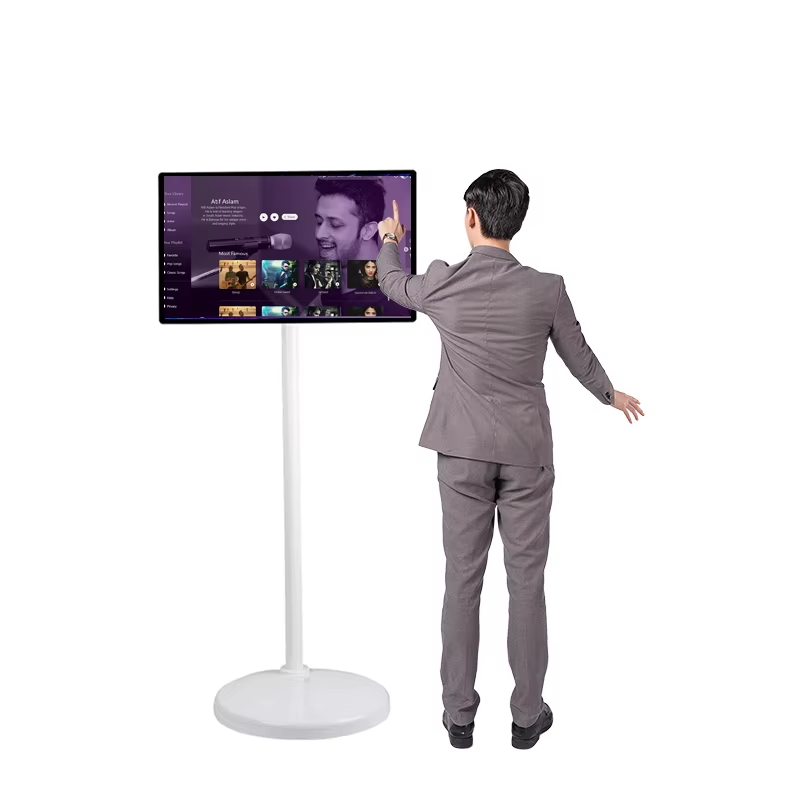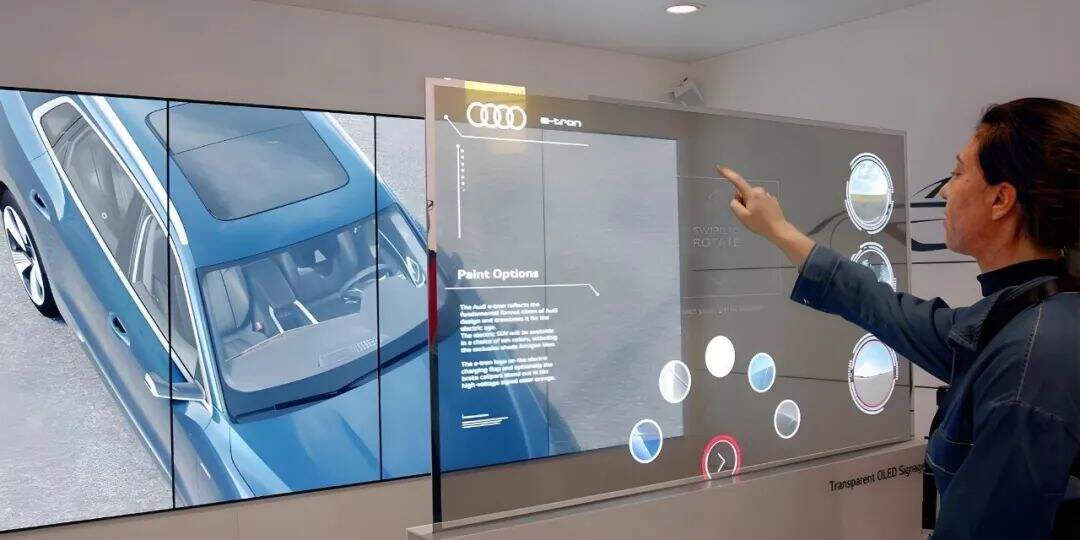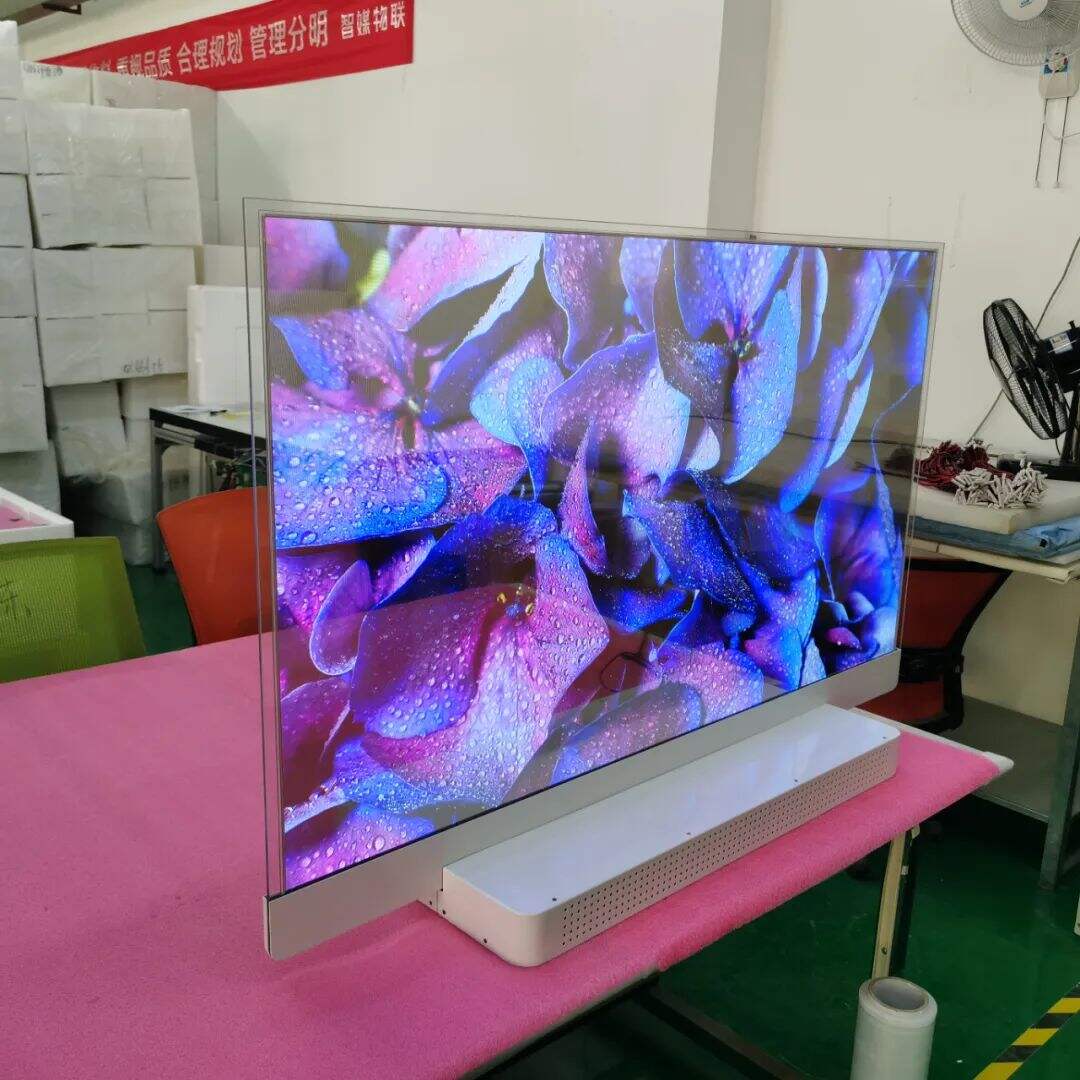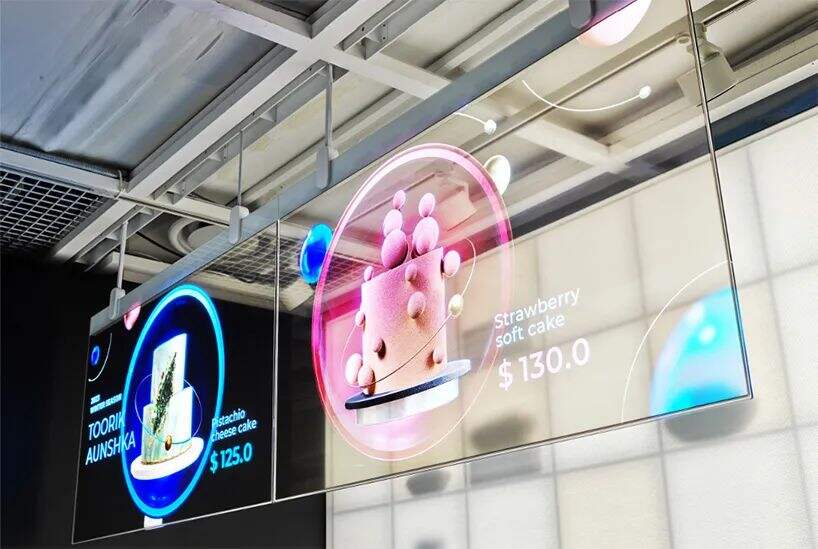

Knowing how to choose an oled screen is essential for ensuring that you select a display that aligns with your specific needs and delivers the best value, and our company is committed to guiding customers through this process as part of our comprehensive audio-video and sound-light-electricity solutions. The first step in how to choose an oled screen is to clearly define the intended application. For example, if the screen is for gaming, you should prioritize features like response time and refresh rate, whereas for video conferencing, color accuracy and viewing angles are more critical. Our team starts with an on-site survey to understand the application context—whether it’s for a conference room, retail store, educational institution, or outdoor advertising—and uses this information to narrow down the suitable OLED screen options. Next, when considering how to choose an oled screen, you need to evaluate key technical specifications. Resolution is a crucial factor: 4K OLED screens are ideal for applications where sharp details are important, such as presentations with small text or high-definition video content, while 1080p OLED screens may be sufficient for smaller spaces or less demanding use cases. Brightness is another important specification, especially for screens used in well-lit or outdoor environments—look for OLED screens with high brightness ratings to ensure visibility. Contrast ratio, a strength of OLED technology, should also be considered, as true blacks and high contrast enhance visual depth, which is beneficial for all applications. Size is another practical aspect of how to choose an oled screen. The screen size should be proportional to the viewing distance and the size of the space. Our scheme design experts can help calculate the optimal screen size based on the layout of the area, ensuring that the screen is neither too small to be seen clearly nor too large to overwhelm the space. Additionally, when learning how to choose an oled screen, it’s important to consider compatibility with other systems. For example, if the OLED screen will be integrated with a video conferencing system or an audio amplification setup, you need to ensure that it has the necessary ports and connectivity options. Our product selection process takes compatibility into account, ensuring that the chosen OLED screen works seamlessly with the rest of the system. Finally, cost and after-sales support are important considerations in how to choose an oled screen. We offer a range of options to fit different budgets, from affordable models for basic needs to high-end screens for demanding applications, and our after-sales service ensures that the screen remains in good working condition for years to come. By following these steps and leveraging our expertise, customers can confidently choose an OLED screen that meets their unique requirements.