EN
EN

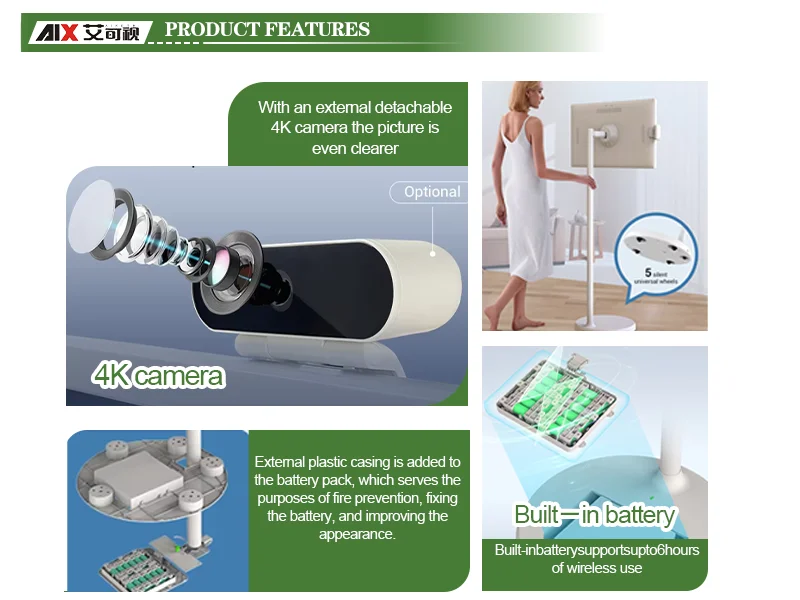
Typical Portable TV Battery Life by Use Case
Camping & Outdoor Use: Why 6–8 Hours Enables True Mobility
When heading out for those longer outdoor adventures, portable TVs that last around 6 to 8 hours on a single charge offer real freedom. These devices can handle everything from checking the morning headlines to watching a movie at night throughout an entire day of on again off again viewing. The better built LCD screens manage this kind of runtime thanks to smart power saving features and clever backlight adjustments. Manufacturers tend to boast about even longer times, but actual tests show most units hit that sweet spot between 6 and 8 hours. That's plenty for weekend campers who might not have easy access to electricity sources during their trip away from home.
Tailgating & Commuting: The Reliable 4-Hour Window for On-the-Go Viewing
Four hours of battery power works pretty well for those situations where we need something portable but not too heavy on usage time. Think about watching an entire football match, getting across town without stopping, or killing time at an airport gate. The device handles regular screen brightness levels and streaming content from popular services such as Netflix most of the time. However, when connected to networks, the actual run time drops somewhere around 30 percent less than what it would be if just playing media locally. If having dependable performance matters most, look out for devices that can charge fast enough to get from empty to almost full capacity within about ninety minutes or so. That way, even brief pauses between events or train rides become opportunities to recharge sufficiently.
Indoor Secondary Use (Kitchen, Bedroom): When 2–3 Hours Feels Limiting
Battery life around 2 to 3 hours just doesn't cut it for most people when they're using devices at home, whether in the kitchen while cooking or lying in bed watching something. The smaller size means these compact gadgets can't hold enough power to last through regular activities. Many folks end up dealing with frustrating interruptions right in the middle of following a cooking video or catching up on the latest news. Anything that runs out before 3 hours is basically asking someone to charge it almost every day. And that kind of defeats the whole point of getting a wireless device in the first place - freedom from being tied down by cords and outlets.
Why Real-World Portable TV Battery Life Falls Short of Advertised Specs
Brightness, Volume, and Streaming Apps: The Top 3 Runtime Killers
Most portable TVs don't come close to matching their battery life claims because of how people actually use them. The screen brightness is a major drain on power - when watching outside, folks tend to crank it up to full brightness which makes the TV consume twice as much energy compared to those standard lab tests at 50%. When audio gets turned past 60%, the speakers start working harder and less efficiently. And let's not forget about streaming shows from Netflix or similar services. All that constant Wi-Fi connection and data processing eats up around 30% extra power compared to just playing files stored locally on the device. Put all these things together and real world battery life often ends up being somewhere between 40% shorter than what manufacturers promise on paper.
Lab vs. Living Room: How Testing Conditions Inflate Portable TV Battery Claims
Most manufacturers run their battery tests in labs where conditions are so controlled they don't really match what people experience day to day. The standard setup usually involves testing at around 25 degrees Celsius, keeping screen brightness at exactly 50%, avoiding any ambient lighting, limiting audio output, and playing content directly from internal storage. All these factors work together to make batteries look better than they actually perform in the wild. When we get out there in the real world though, things change pretty quickly. Temperature fluctuations become an issue, bright sunlight forces us to crank up the screen brightness, background noise makes folks turn up the volume, and spotty Wi-Fi connections cause constant searching for signals. Independent tech sites like RTINGS.com and CNET have confirmed what many users already know from experience. Real world battery life tends to be somewhere between 20 to 40 percent less than what's advertised on packaging. Just dealing with poor Wi-Fi reception can eat away at battery power at a rate about 25% higher than normal.
Key Technical Factors That Determine Portable TV Battery Runtime
Screen Size, Display Technology (LCD vs. OLED), and Power Efficiency
The length of time a portable TV lasts on one charge depends mostly on three main factors. First up, screen size makes a big difference. TVs with screens bigger than 15 inches tend to eat through battery life much faster than smaller 10 inch models. The bigger display needs more power for the backlight and has heavier circuits working behind the scenes. Then there's the type of screen technology used. LCD screens need constant backlighting all the time they're on, but OLED screens work differently because each pixel lights up individually. This means OLED can save around 40% power when showing darker scenes. And finally, how efficient the device manages power shows what kind of engineering went into it. Better models include things like shutting off parts of the system when not needed, adjusting power levels based on what the processor is doing, and using dense lithium ion batteries. All these things together help some TVs last about four hours even when switching between different tasks. That's why people often notice such differences in battery life between different brands, even if their batteries look similar on paper.
FAQ
Why does my portable TV battery not last as long as the manufacturer claims?
Manufacturers often test battery life under ideal conditions, such as low brightness and audio levels, which do not reflect real-world usage. Factors like full screen brightness, higher volume, and Wi-Fi streaming consume more power.
What is the ideal portable TV battery life for outdoor activities?
A battery life of 6 to 8 hours is considered ideal for outdoor activities, providing enough time for various uses like watching movies or news without access to power sources.
How can I maximize my portable TV's battery life?
To maximize battery life, lower the screen brightness, reduce the volume, and minimize Wi-Fi use by watching locally stored content.