EN
EN

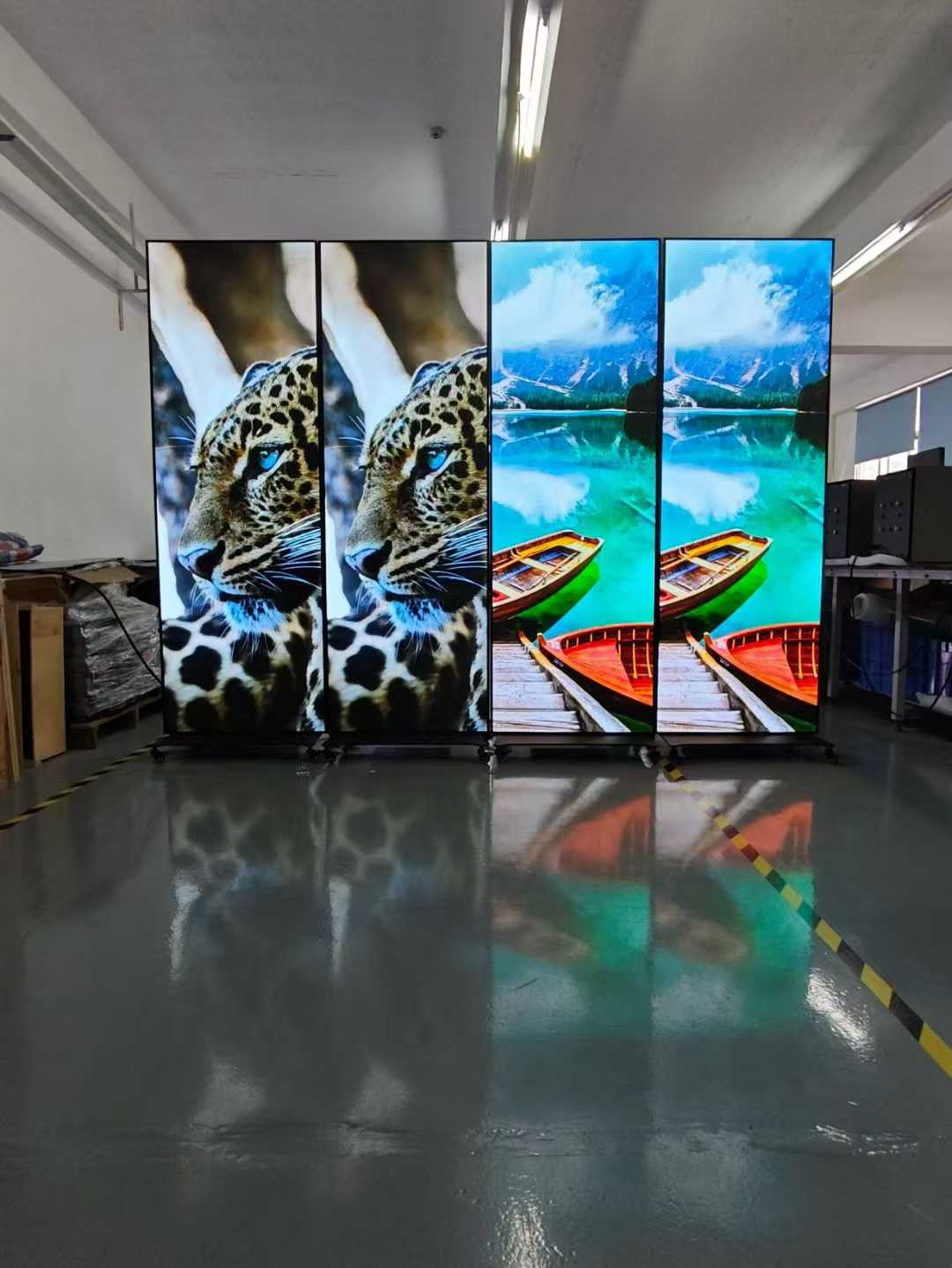
Understanding the Role of LED Poster Screens in Modern Retail
The Rise of Digital Signage in Retail Environments
Most stores have swapped out those old paper posters for LED screens now. About three quarters of all retail spaces renovated after 2020 went digital instead. Why? Because these screens can show live deals and cool multimedia stuff that just doesn't work with printed stuff. Retailers love them because they can play high quality product videos, announce flash sales right when they happen, and even let customers browse through interactive catalogs without waiting days for printing. The numbers back this up too. Shops with LED displays tend to keep people walking around inside about 30 percent longer than places still stuck with signs made of paper and ink.
How LED Poster Screens Enhance Customer Engagement
LED panels that shine at over 2500 nits make sure products stay visible even on bright sunny days outside stores. The super thin frames between screens measure just 3mm or less, letting retailers build big wall-sized displays that tell stories without distracting edges getting in the way. Retail research shows something interesting too shopping areas with changing visuals tend to keep customers around 47% longer than static displays do. Some top end systems now come equipped with motion detectors that spot when someone hangs around a display too long and then pop up special deals right there on screen, creating those surprise moments we all love in stores.
Aligning LED Displays with Retail Marketing Strategies
Modern LED poster screens sync with inventory systems to promote overstocked items automatically—a capability 68% of retailers now prioritize. WiFi-enabled CMS platforms allow regional managers to deploy seasonal campaigns across 100+ locations in minutes. Retailers report a 19% average sales lift when pairing LED promotions with POS data analytics.
Case Study: LED Screen Implementation in a National Clothing Retailer
A 240-store apparel chain reduced print costs by $2.1M annually after installing 4K LED poster screens in fitting areas and window displays. Interactive screens showing size availability and alternative colors contributed to a 23% reduction in abandoned carts. Real-time social media integrations boosted user-generated content by 310% during holiday campaigns.
Key Advantages of LED Poster Screens Over Traditional Signage
Digital vs. Static: Flexibility and Dynamic Content Capabilities
LED poster screens transform static retail spaces into dynamic storytelling platforms. Unlike traditional posters locked into a single design, these displays enable:
| Feature | LED Poster Screen | Traditional Signage |
|---|---|---|
| Content Updates | Instant digital adjustments | Physical replacement required |
| Brightness | 1,500—3,000 nits | Depends on ambient lighting |
| Interactive Potential | Touchscreen integrations | Passive viewing only |
Retailers can cycle morning promotions, afternoon deals, and evening brand films on a single screen—capabilities physically unattainable with static signage.
Real-Time Updates and Adaptability for Seasonal Campaigns
LED screens eliminate the $740/month average printing costs for poster replacements (Ponemon 2023). Stores can push Black Friday pricing updates to all locations in under 10 minutes via cloud-based CMS, overlay holiday themes on existing content, or A/B test seasonal creatives using audience analytics tools.
Long-Term Cost Efficiency and Sustainability Benefits
Sure, LED screens cost more upfront than traditional printed materials, but businesses save around 43% on running costs within just five years. These digital displays create dramatically less waste too - we're talking about cutting paper usage down by nearly 92%. Plus, their built-in light sensors automatically adjust brightness based on ambient conditions, which means about 31% less energy consumption overall. Most models last roughly ten years before needing replacement parts, and since components are modular, repairs don't require replacing the whole system. This kind of long term thinking really resonates with shoppers nowadays. Recent surveys show that almost 78% of consumers prefer brands that take environmental responsibility seriously. So companies investing in LED tech not only cut expenses but also build stronger customer relationships through greener practices.
Indoor vs. Outdoor Use: Matching LED Poster Screens to Environment
Brightness and Visibility Requirements for Indoor Retail Spaces
For indoor LED poster screens in retail spaces, most manufacturers recommend between 500 and 1,000 nits of brightness so they stay visible but don't create harsh glare against normal store lighting. The best ones focus on accurate colors, hitting around 90 to 95% coverage of the NTSC color range, while also offering those super wide viewing angles that go up to nearly 180 degrees. This matters a lot when shoppers are walking past displays or standing at checkout counters where angles can vary quite a bit. Stores with large windows especially need screens that can adjust their brightness throughout the day as sunlight changes intensity from morning until evening hours.
Environmental Factors in Outdoor Deployments
To work properly outside, LED poster screens need around 3,000 to 5,000 nits of brightness so they can still be seen under bright sun. Most models come with weatherproof builds that meet IP65 standards against dust and water getting inside. They also handle pretty extreme temperatures from as cold as -20 degrees Celsius all the way up to 55 degrees Celsius, which means these displays keep functioning through winter snow and summer heat without problems. The cabinets themselves are built tough enough to survive winds blowing at around 60 miles per hour. Additional features like anti-glare screen treatments and backup power systems make them last longer in busy outdoor spots such as shopping mall parking areas or along main street storefront windows where exposure to elements is constant.
Selecting the Right LED Poster Screen by Location and Purpose
| Factor | Indoor Consideration | Outdoor Consideration |
|---|---|---|
| Brightness | 500—1,000 nits | 3,000—5,000+ nits |
| Protection Rating | IP20—IP30 | IP54—IP65 |
| Optimal Placement | Product displays, checkout | Store entrances, parking |
Match screen size to viewing distances—indoor screens under 3mm pixel pitch work best within 6—10 feet, while outdoor models (4—10mm pitch) maintain clarity at 15—30 feet. For semi-protected areas like covered patios, hybrid displays (1,500—2,500 nits, IP43) bridge performance gaps between environments.
Optimal Placement, Viewing Distance, and Visual Impact in Stores
Strategic Placement of LED Screens for Maximum Attention
Stores that place LED poster screens where people naturally gather see almost 30% more customer interaction than regular signs according to Digital Retail Insights from last year. The best spots? Well, nobody really argues about putting them near store doors for special offers, right? And checkout areas work wonders for grabbing attention when folks are waiting in line. We've found that positioning screens between waist and chest level (around 1.5 to 1.8 meters tall) tends to get the most looks as shoppers walk past. Just make sure there's enough space around each display so customers can pass without bumping into anything. Some retailers who installed moving LED content at their front entrances noticed that people spent about 18% longer time hanging around compared to stores still using old fashioned window displays.
Calculating Ideal Viewing Distance for Clarity and Impact
Pixel pitch (distance between LEDs) determines minimum viewing distance:
| Pixel Pitch | Minimum Viewing Distance | Optimal Retail Use Case |
|---|---|---|
| 1.5mm | 1.2m | Luxury boutiques |
| 3mm | 2.4m | Mall kiosks |
| 6mm | 4.8m | Warehouse stores |
A basic formula ensures visual clarity: Viewing Distance (meters) = Pixel Pitch (mm) ÷ 8. Screens exceeding 8,000 nits brightness risk overwhelming indoor environments—2,500—3,500 nits typically balances visibility with comfort.
Use Cases: Effective LED Display Applications in Shops and Showrooms
In the world of apparel retail, most clothing stores that switched to LED poster screens have noticed better colors when displaying fabrics compared to old fashioned printed posters. About three out of four retailers report this improvement, which makes a big difference when customers want to see exactly what they're buying. Moving on to electronics showrooms, interactive LED walls are changing how things work there too. These digital displays cut down on the need for salespeople to explain products all day long since shoppers can just interact with them themselves. Some stores say this reduces staff interaction needs by around 40%, freeing up employees for other tasks. When it comes to seasonal marketing campaigns, frequency really does matter. Stores that refresh their LED content every week tend to get way more attention online than places that only update once a month. The numbers show something like triple the social media check-ins from weekly updates, probably because fresh content keeps people coming back and sharing what they find.
A 2023 retail tech survey found 62% of shoppers can recall specific LED screen content 48 hours post-visit—five times higher than traditional cardboard displays.
Content Management, Remote Control, and Measuring ROI
Efficient Content Scheduling and WiFi-Based Remote Management
The latest LED poster screens now make it possible to schedule content changes on the fly, so no one has to run around updating signs manually anymore. These systems connect via WiFi and let managers control everything from a single dashboard, even when they're spread out over several store locations. That means marketing teams can tweak their campaigns instantly during busy times or sudden sales events. Take coffee shops for instance — many have started running special deals that pop up automatically right before lunchtime hits at around 11:30 AM. And those holiday promotions? They tend to disappear just after midnight most nights, though sometimes there are a few stores where the system glitches and leaves them up until 1:00 AM instead. Either way, none of this requires anyone actually being present at the location itself.
Balancing Advanced Features with Operational Simplicity
Modern LED displays come packed with detailed analytics and internet connectivity these days, but what really matters for stores is how easy they are to use. Most retail workers don't have tech backgrounds, so they need simple ways to change prices, showcase different products, or fix minor problems through straightforward dashboards. Stores report saving around 40 percent on training expenses when switching from old systems that needed special IT people to handle everything. According to Retail Tech Trends data from last year, this ease of use makes all the difference in day-to-day operations.
Measuring Return on Investment in Retail LED Poster Deployments
Calculating ROI involves tracking three key metrics:
- Sales lift from promoted items (average 18—22% increase in upsells)
- Engagement rates via heatmap analytics showing dwell time near displays
- Cost savings from reduced print material expenses and labor
A national clothing retailer reported a 27% ROI within six months by replacing static posters with LED screens that showcased dynamic outfit combinations.
Real-World Examples: Cafe Chain and Multi-Location Retail Success
A 120-store cafe chain reduced menu update costs by 65% after adopting cloud-controlled LED poster screens, while a multi-brand electronics retailer synchronized cross-store campaigns during Black Friday events—achieving a 33% higher conversion rate compared to previous print-based promotions.
FAQ
What are LED poster screens used for in retail?
LED poster screens are used in retail to showcase dynamic and interactive content like live deals, product videos, and flash sales. They enhance customer engagement by displaying multimedia content that cannot be conveyed effectively with traditional printed signage.
How do LED screens improve customer interaction?
LED screens improve customer interaction by providing bright and engaging visuals that capture shoppers' attention for longer periods. They often incorporate motion sensors that trigger special deals based on customer movements, creating interactive shopping experiences.
What are the cost benefits of using LED poster screens?
Although LED screens have higher upfront costs, they offer long-term savings by reducing print costs, minimizing waste, and consuming less energy. They are also modular, allowing for easy repairs.
Can LED poster screens be used outdoors?
Yes, LED poster screens can be used outdoors. They are designed to withstand weather conditions with features like high brightness levels and weatherproof builds that meet IP65 standards.
How can retailers measure the success of LED poster screen deployments?
Retailers can measure the success of LED screen deployments through metrics such as sales lift, engagement rates, and cost savings. These metrics help in calculating the return on investment for the screens.
Table of Contents
- Understanding the Role of LED Poster Screens in Modern Retail
- Key Advantages of LED Poster Screens Over Traditional Signage
- Indoor vs. Outdoor Use: Matching LED Poster Screens to Environment
- Optimal Placement, Viewing Distance, and Visual Impact in Stores
- Content Management, Remote Control, and Measuring ROI
- FAQ