EN
EN

Wall-Mounted LED Poster Screen Installation
Wall mounting offers a streamlined solution for deploying LED poster screens in commercial spaces like retail stores and conference rooms. This method maximizes space efficiency while ensuring prominent visibility.
Structural Assessment and Reinforcement for Safe Mounting
Before hanging anything heavy on a wall, installers need to check if it can actually hold the weight. Concrete walls generally handle heavier stuff compared to regular drywall. When reinforcing, there are several important things to consider. Get those industrial strength anchors that can take at least 1.5 times what the screen weighs. For walls that feel hollow when tapped, steel backing plates become necessary. And don't forget about places where earthquakes happen regularly. The whole setup needs to be stable enough to withstand shaking. If someone skips these reinforcement steps, there's real risk of things falling off, particularly in spots where lots of people walk by or bump into them throughout the day.
Precision Leveling, Alignment, and Seamless Integration
When setting up modules, laser levels combined with digital inclinometers help get everything aligned within half a degree. After mounting, there's still work to do adjusting those spaces between panels so they stay under 1mm apart for that clean look everyone wants. Checking colors across all panels makes sure nothing stands out awkwardly either. And hiding those pesky cables inside special conduits keeps things looking neat. Getting this right from the start really pays off because when modules aren't properly aligned, images can look distorted over time. Plus, fixing alignment issues later costs about 30% more in maintenance expenses than just doing it right the first place. Most installers know this saves money down the road while keeping clients happy with their display systems.
Ceiling-Hung LED Poster Screen Installation
Suspension System Design and Load-Distribution Best Practices
For a good suspension system, we need those aircraft quality cables or chains fixed at regular spots along the frame so weight gets spread out properly across the whole structure. The engineers working on this stuff always check what the ceiling can actually hold before starting anything serious. Those anchor points really need to take at least one and a half times whatever the screen weighs altogether. When putting together those fancy curved or see through LED poster displays, modular magnetic connections make life much easier without compromising how stable everything stays. During setup, tension sensors help figure out if forces are balanced correctly throughout the system. And don't forget about adding cross bracing too since it stops things from swaying around when there's wind blowing through big spaces like convention centers or sports arenas. Nobody wants their expensive display crashing down because someone skipped checking these parts every six months or so as part of routine maintenance.
Tilt-Adjustable & Dual-Mode Hanging for Optimal Viewing Angles
The adjustable tilt feature really helps cut down on glare problems and makes it easier to see from different heights, which is super important in places like auditoriums or those big glass atrium spaces. These dual mode systems can flip between being fixed in place or moving around dynamically, so they work great when displaying content that needs to rotate between portrait and landscape views. With a 15 degree tilt range built in, these setups adjust nicely as the sun moves across the sky during the day. The locking joints hold everything securely at whatever angle needed, yet still let people change things up quickly when required. Everyone gets a good view without distortion no matter where they're sitting, something that matters a lot in busy venues where lots of people need to watch presentations or events happening on stage.
Freestanding LED Poster Screen Installation
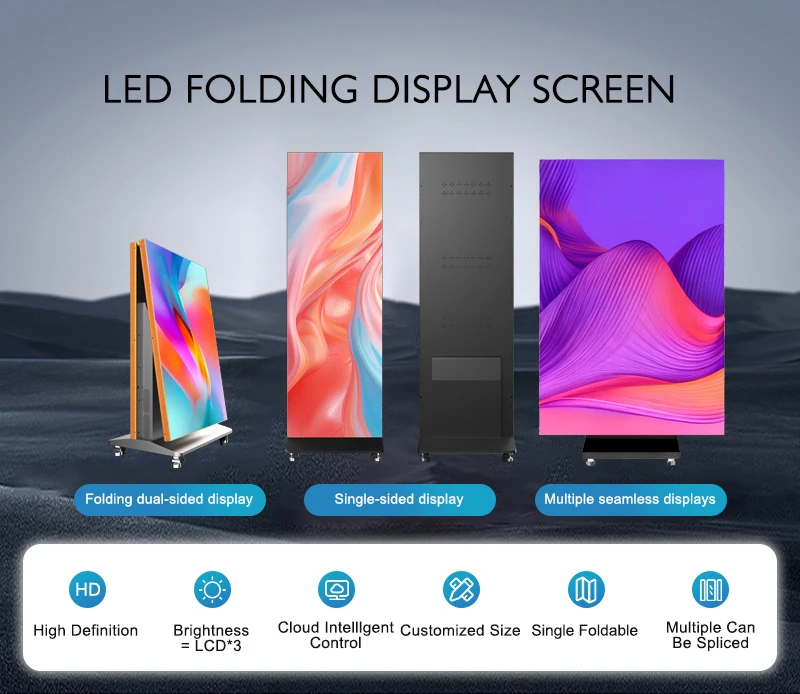
Freestanding LED poster screens offer unparalleled flexibility for dynamic commercial environments where repositioning displays is essential. This installation method eliminates structural modifications, making it ideal for retail pop-ups, trade shows, and corporate lobbies requiring adaptable digital signage.
Modular Frame Systems: Stability, Portability, and Rapid Deployment
Today's freestanding display units come with aluminum frames that are specially designed for strength, plus assembly systems that don't require tools at all. This makes sure everything stays solid when put together and gets deployed quickly on site. The weight spreads out nicely over these reinforced bases so they won't tip over even when lots of people are walking around them. Most models now have those universal casters with locks that make moving things from one spot to another really easy. And let's not forget about the cables - most modern setups include built-in cable management solutions that keep everything looking neat and organized. What's great about these displays is how simple they are to put together. Non-technical staff can typically get a display assembled within half an hour or so. For event marketers who constantly need to set up and tear down at different locations, this saves tons of time and headaches. Industry data shows that going modular instead of building permanent structures can cut down on labor costs during installation by as much as 40%. That kind of savings adds up fast over multiple events.
Floor Space Optimization and Temporary vs. Permanent Configurations
Getting the positioning right is key for good visibility while still keeping walkways clear. Focus on what people see when they come through main doors or wait in lines. When setting something up temporarily, look for those slim base models with wheels that can roll away. They take up less than 3.5 square feet of space but still hold big screens up to 85 inches. For permanent installations, go with heavier bases that have floor anchors if needed. This turns those portable displays into something that stays put without needing special construction work. Smaller 55 inch screens work well in tight spots, while bigger video walls make a statement in larger areas. And remember to leave about 42 inches of space all around these displays. Not only does this help wheelchair users get past, it just makes sense for anyone moving through the area.
Choosing the Right LED Poster Screen Installation Method
When choosing how to install an LED poster screen, there are basically three things to consider first: how much space we have available, what kind of views people need, and whether the building can actually support it. Wall mounted screens take up no floor area at all and look great in stores or office lobbies where they'll stay put for years. But before drilling into walls, someone needs to check if the structure can handle the weight properly. For busy places such as shopping centers or airport terminals, hanging the display from above works wonders because everyone can see it clearly from any angle. Still, this approach needs careful calculations about weight distribution and proper engineering checks. Then there's the self-standing option which really shines during trade shows or temporary exhibitions. These come with frames that snap together quickly so teams can move them around as needed whenever event layouts change. So think wall mounting when saving square footage matters most, go with ceiling mounts where maximum exposure counts, and grab those portable stands for short term projects or changing environments. Just remember to match whatever choice with both the actual limitations of the space and what sort of attention the target audience will actually get.
FAQ
What is the best method for installing an LED poster screen?
The best method depends on your specific needs, space, and building capabilities. Wall-mounted options are ideal for long-term installations without consuming floor space, ceiling mounts work well for visibility in busy areas, and freestanding options are perfect for temporary or flexible use.
How can I ensure my LED poster screen installation is safe?
Ensure safety by conducting a thorough structural assessment, using industrial-strength anchors, and complying with local building codes. Monitoring and routine maintenance also help maintain safety standards.
Why are modular frame systems recommended for freestanding LED poster screens?
Modular frame systems are recommended due to their ease of assembly, transportability, and stability. They allow for quick setup and breakdown, making them ideal for temporary installations and dynamic environments.
What considerations should be made for ceiling-hung installations?
Critical considerations include the ceiling's load-bearing capacity, the distribution of weight using quality cables or chains, and regular maintenance checks to ensure stability and safety.