EN
EN

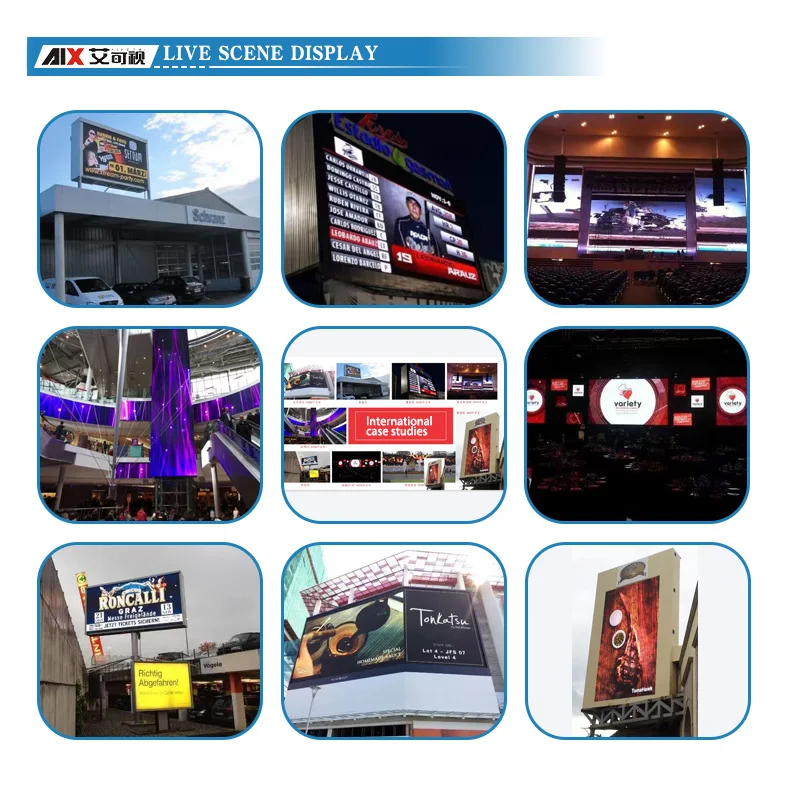
Superior Brightness and Environmental Resilience
High-Nit Output and Sunlight Readability for Outdoor Arenas
For outdoor events, LED screens need at least 5000 nits of brightness just to fight off that annoying sun glare problem. The colors still look good, contrasts stay strong, and text remains readable even when the sun is blazing overhead. Manufacturers have come up with some clever tricks too - things like anti-reflective coatings on the glass, wider viewing angles so people can see from different spots, and special surface treatments that spread out unwanted ambient light while keeping most of the screen's brightness intact. All these tech improvements help keep images looking sharp even when there's fog rolling in or bright reflections messing with visibility. Most importantly, folks can actually read what's displayed from over 200 feet away which matters a lot during big sporting events, rock concerts where crowds are packed tight, or when authorities need to relay emergency information across large public spaces.
Dynamic Adaptive Brightness Control Across Day‒Night Cycles
Smart ambient light sensors can adjust brightness throughout the day automatically, cutting down on electricity consumption by around 35 to 40 percent at night time events and stopping lights from being too bright when they don't need to be. These systems use prediction software that keeps tweaking how much light comes out no matter what kind of situation we're dealing with. Think about those big stadium lights versus just regular moonlight outside. The result? People can see clearly without their eyes getting tired or strained after prolonged exposure. Plus these automatic changes happen so smoothly there's no need for anyone to step in and make adjustments manually. Visual comfort stays good regardless of whether it's sunny noon or pitch black midnight.
IP65+ Ratings and All-Weather Durability for Harsh Venue Conditions
Outdoor LED displays rated IP65+ are built to handle some pretty harsh conditions. Their sealed modular design keeps them going through monsoons, sandstorms, and wild temperature changes ranging all the way from -40 degrees Fahrenheit up to 122 degrees. The frames made from corrosion resistant aluminum stand up well to salt air near coasts, chemicals in industrial areas, and years of sun exposure without breaking down. Circuit boards get protected with special coatings too. These displays have been tested for impact resistance independently, so they can take hits from hail stones or flying debris without damage. What does this mean practically? A super tough build that lasts around 100,000 hours even when installed where there's constant moisture along beaches or dry heat in deserts. And because they need so little upkeep over time, businesses save money on repairs and replacements year after year.
Scalable, Precision LED Display Architecture for Any Venue Size
Modular Design Enables Seamless Splicing and Custom Facade Integration
Standard LED panels that lock together let businesses create massive video walls covering hundreds of square feet without those annoying gaps between screens. These modular systems work great on all sorts of tricky spaces too. Think about how they fit around the curves of sports stadiums, inside fancy hotel lobbies with high ceilings, or behind stages that aren't just flat rectangles. The special joining tech makes sure videos run smoothly from one panel to another, basically transforming buildings into giant interactive art installations. Plus, setting these things up takes way less time than traditional methods, and venues can start small then add more panels later as their events grow bigger and need more screen space.
Pixel Pitch Optimization Based on Viewing Distance and Seating Tier Analysis
Pixel pitch―the distance between LED clusters―must align precisely with spectator proximity to balance clarity, cost, and performance. Venue-specific analysis determines optimal pitch per zone:
- VIP sections (within 15 meters): P1.5‒P2.5 for cinematic detail
- Mid-tier seating (15‒50 meters): P3‒P6 for balanced resolution and value
- Upper tiers (>50 meters): P8‒P10 for crisp visibility without overspending
Sophisticated mapping software identifies ideal configurations per seating zone―preventing unnecessary pixel density and maximizing ROI.
Real-Time Content Agility and Revenue Generation with LED Display
Live Data Integration: Scores, Social Feeds, and Interactive Fan Engagement
LED displays at modern sports venues now show live stats from games, pull in what people are saying on social media, and let fans cast votes right there on screen. The effect? People stop just watching and start getting involved. During matches, supporters can pick who they think should be Player of the Match, and those big screens flash with all sorts of hashtags that fans have shared online. Stadiums report that when they show instant replays mixed with expert commentary during breaks, fans tend to stick around longer; some places see a 25% increase in how long folks stay. All this back and forth between fans and the action builds stronger connections within the fanbase. Plus, brands get real value from these interactions since they're seeing actual content created by attendees instead of just paid ads.
Programmable Advertising Slots and Dynamic Ticket-Promotion Triggers
Digital signage that can be programmed turns those big screens throughout venues into money makers instead of just empty space. These systems work smartly too - they know what's happening around them and pop up relevant ads at just the right moments. For instance, during those slow scoring periods in games, people might see special deals on snacks and drinks. When not enough folks show up for a game compared to expectations, sudden upgrades become available for seats. The way these ads change depends on where someone is standing and who they are. Screens near VIP areas focus on showcasing top tier experiences, whereas regular entry points push more affordable options. Venues reporting this kind of targeted approach typically see about a third boost in sales compared to old fashioned static ads. The messages simply match better with what's actually going on at any given moment.
Strategic Brand Amplification and Multi-Functional Venue Utility
LED screens have become essential tools for telling brand stories, sharing important information, and connecting with communities. When installed properly throughout entry points, building exteriors, and main thoroughfares, these displays wrap audiences in immersive visuals that really stick in memory. Some research suggests brand recognition goes up around 65% when venues incorporate sponsored content this way. The best part? These screens can switch between different ads in real time during busy periods without disrupting what's happening at events. A single control system manages everything from game statistics to social media updates, urgent notifications, and changing advertisements all at once. This cuts down on messy visuals and saves money on extra equipment. Outside screens work wonders even when there's no event going on. Many places program them to show local artwork or community messages during off hours, which helps build stronger ties with nearby residents. Venues that take advantage of this two-for-one approach tend to keep their sponsors happy too, with about 18% more companies sticking around year after year because they see both wider audience exposure and fresh creative possibilities.
FAQs
What is the ideal brightness for outdoor LED screens?
The ideal brightness for outdoor LED screens is at least 5000 nits to combat sun glare and ensure visibility in bright conditions.
How do adaptive brightness controls benefit LED screens?
Adaptive brightness controls adjust screen brightness according to ambient light, reducing electricity by 35-40% at night and ensuring visual comfort without manual adjustments.
What durability features do IP65+ rated LED displays offer?
IP65+ rated LED displays are durable against harsh conditions, including extreme temperatures, moisture, and impacts, ensuring long-lasting use with minimal maintenance.
Can LED display systems be customized for different venue sizes?
Yes, modular LED systems allow for seamless splicing and integration, making them suitable for varying venue sizes and complex spaces.
How do LED displays enhance fan engagement in sports venues?
LED displays integrate live stats, social media feeds, and interactive features, boosting fan engagement and extending audience retention during events.