EN
EN

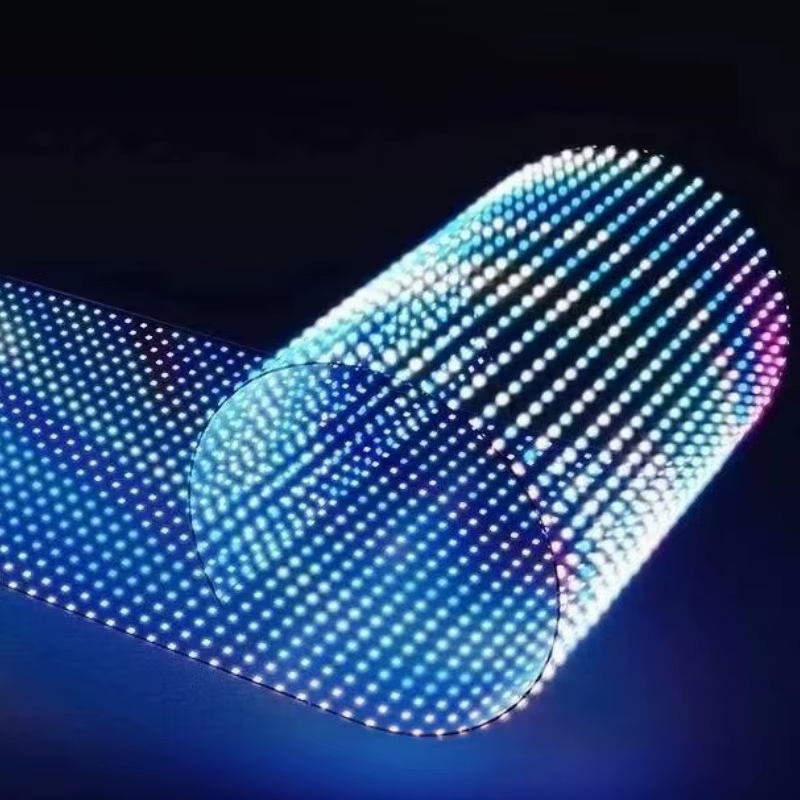
Unmatched Visual Impact and Brand Authority
High-brightness, wide-color LED display performance for attention retention
LED screens today can reach brightness levels above 5000 nits which means they stay clearly visible even when the sun is shining directly on them. These displays cover about 90% of the DCI-P3 color range, so colors look really vivid and realistic compared to old school signs. People tend to notice things that have strong contrasts and movement, so studies show viewers spend around four times as long looking at these dynamic displays versus regular static ones in digital ads. Better viewer retention translates into improved memory of messages and stronger brand awareness particularly where lots of people pass by such as shop windows, sports arenas, and transportation centers. Most models come equipped with sensors that adjust brightness and contrast automatically based on surrounding light conditions, keeping everything readable whether it's daylight or nighttime.
Strengthening brand perception through modern, tech-forward LED display presence
When companies install those fancy LED screens, they're basically saying "we're innovative, dependable, and ahead of the curve." People tend to link this kind of tech with upscale brands that know what they're doing. According to some research from last year's Retail Tech Survey, around 78 percent of folks actually see businesses with digital displays as more trustworthy. The way content flows smoothly on these screens shows how adaptable a company really is, which matters a lot when trying to grab attention from younger, tech-oriented customers. Having consistent, sharp visuals at all store locations helps build stronger brand recognition too. These aren't just pretty lights after all. They show off how serious a business is about operations, making them look credible not just to shoppers but also suppliers and potential employees looking for good workplaces. At the end of the day, LED installations transform regular storefronts into powerful branding tools that boost how people view a company compared to competitors down the street.
Proven Cost Efficiency and Long-Term ROI of LED Displays
Lower total cost of ownership vs. printed signage and legacy digital alternatives
LED screens cut down on ongoing expenses when compared to traditional printed signs and old school digital displays. Physical banners and posters need constant reprinting, take time to install, and eventually end up in landfills. With LED technology, businesses can update content remotely whenever needed without spending much extra money afterward. Old fashioned neon and fluorescent lighting eat up around 30 to 40 percent more electricity too, plus they don't shine as brightly and need replacing sooner. Modern LED systems last well beyond 100 thousand hours of operation, which means fewer replacements and less hassle with maintenance issues. Most stores find that the upfront cost gets paid back somewhere between 18 and 36 months later. Over five years, these shops often see about 2.5 times better returns than what they would get from regular printed materials because of all those saved dollars on power bills, less wasted materials, and smoother day to day operations.
Durability and environmental adaptability: indoor, outdoor, and high-traffic LED display applications
LED displays are engineered for resilience across demanding real-world conditions:
- Weather-resistant construction: IP65-rated enclosures withstand rain, dust, and temperatures from –20°C to 50°C
- Vibration-proof components: Essential for transportation hubs, stadiums, and industrial sites
- Anti-glare optical coatings: Preserve legibility under intense sunlight
- Impact-resistant front surfaces: Protect against accidental contact in busy retail or public spaces
The tough build means businesses don't have to spend extra money on protective cases, which opens up where these displays can go. We've seen them work well in all sorts of places like beaches, building sites, busy hotel foyers, and even outside shopping centers. Looking at data from the past ten years shows that breakdowns stay pretty rare. This translates into around 60 percent savings on repair bills compared to older models. What's interesting is that colors stay vibrant, screens maintain their brightness levels, and there's no noticeable difference in how evenly light spreads across the surface over time.
Smart Capabilities: Real-Time Control and Data-Driven Marketing with LED Displays
Remote content management and agile campaign updates across distributed LED display networks
Cloud platforms let companies refresh content on LED screens all over the world within seconds without needing anyone to physically go there. The ability to react instantly makes marketing much smarter and more relevant. Think about changing restaurant menus based on what time it is, starting limited time offers when stock gets low, fixing flight info boards during unexpected delays, or making sure Christmas promotions show up at every store location simultaneously. Businesses report around a third more people paying attention to dynamic content than regular static signs. Plus, companies save nearly two thirds of what they used to spend replacing old signs manually.
Integration with analytics and audience measurement for targeted LED display advertising
Advanced LED systems integrate IoT sensors and audience analytics to transform passive displays into responsive marketing tools. Real-time data—including dwell time, demographic heatmaps, foot traffic patterns, and localized weather—enables precise, adaptive messaging:
| Measurement Metric | Marketing Application |
|---|---|
| Dwell time | Optimize content duration for maximum retention |
| Demographic heatmaps | Tailor visuals and offers by observed age/gender composition |
| Foot traffic patterns | Schedule promotions during peak pedestrian flow |
| Weather data | Serve relevant ads—e.g., umbrella promotions minutes before rain |
Brands leveraging this contextual intelligence see 28% higher conversion rates. By turning environmental and behavioral signals into actionable insights, LED displays evolve from broadcast channels into measurable, performance-driven marketing infrastructure.
FAQ
What is the brightness of modern LED displays?
Modern LED displays can reach brightness levels above 5000 nits, ensuring visibility even in direct sunlight.
How do LED displays contribute to brand recognition?
LED displays enhance brand recognition by offering vivid, dynamic visuals that capture more attention and reflect an innovative brand image.
What are the cost benefits of using LED displays?
LED displays have a lower total cost of ownership compared to traditional signage due to savings on electricity, maintenance, and content updates.
Can LED displays be used outdoors?
Yes, LED displays are engineered to withstand various environmental conditions, making them suitable for both indoor and outdoor use.
How are LED displays integrated into marketing strategies?
LED displays can utilize real-time data and analytics to deliver targeted, adaptive advertising messages, enhancing marketing effectiveness.