 EN
EN

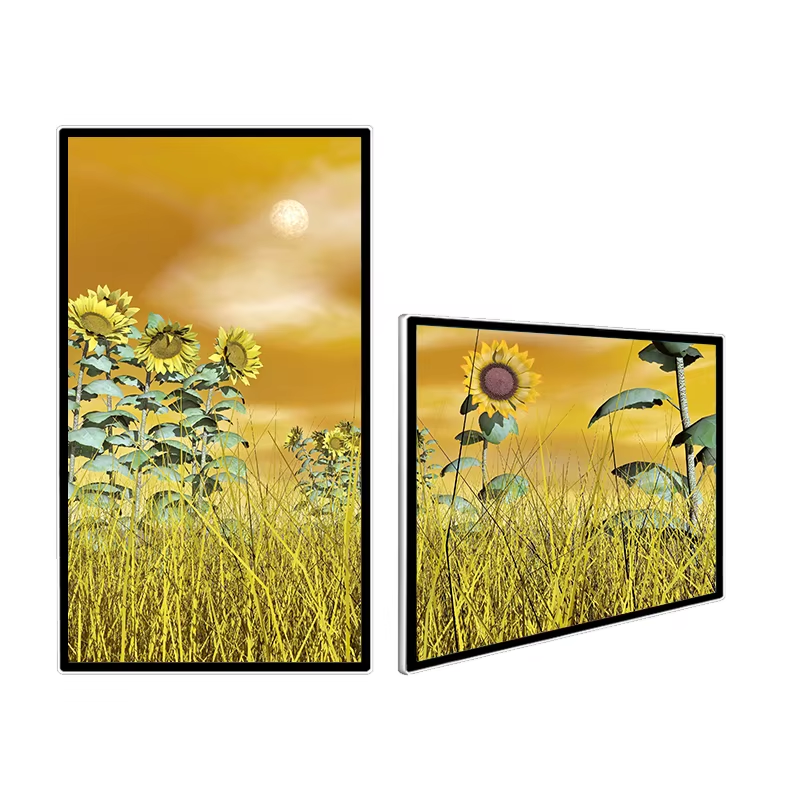
Control Environmental Conditions to Protect Your LCD Display Environmental management is critical for maximizing LCD display lifespan in commercial settings. Improper conditions accelerate component degradation and account for over 38% of premature...
VIEW MORE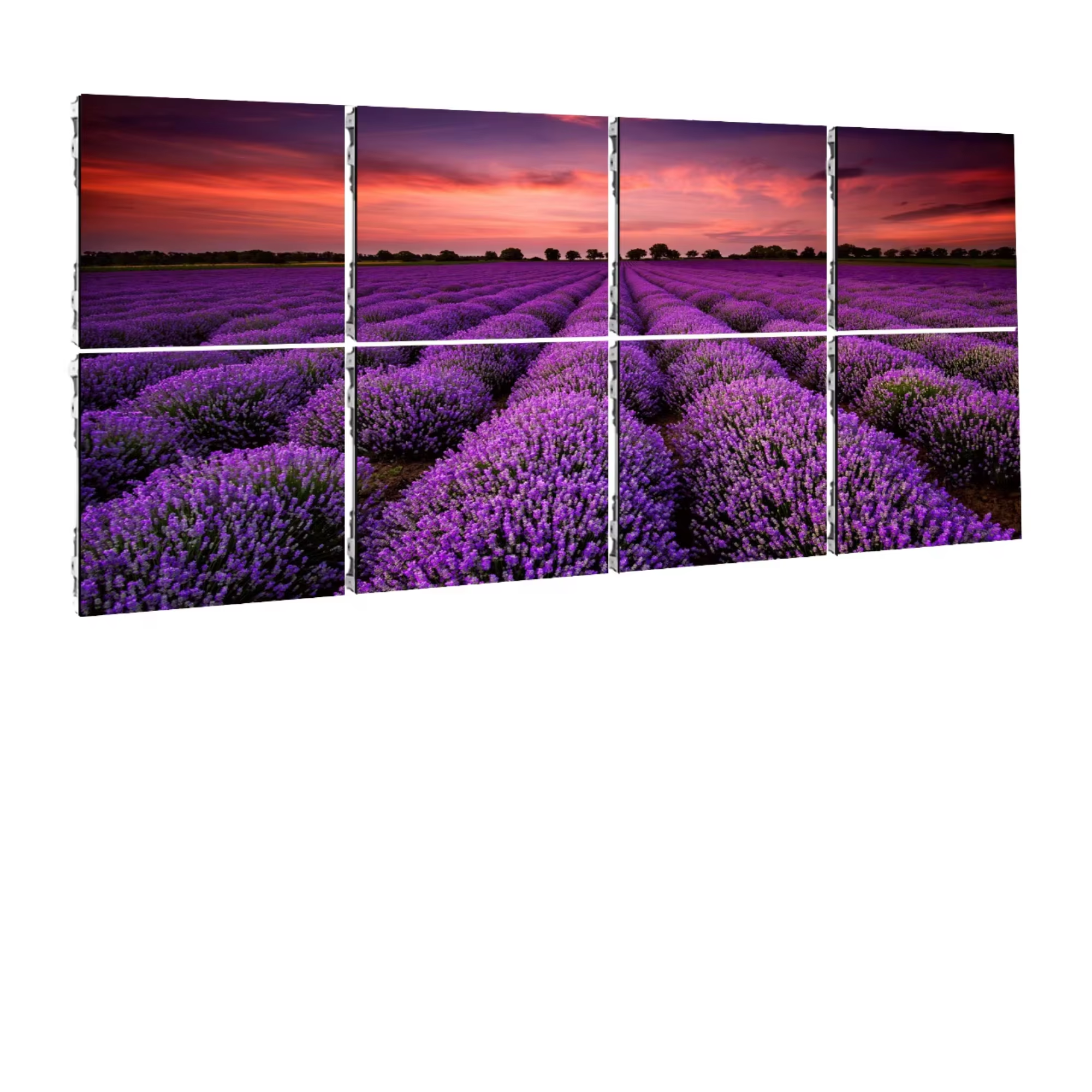
Unmatched Brand Visibility Through Strategic Outdoor Advertising Machine Placement High-Traffic Locations Ensure Inescapable, Context-Rich Exposure Putting outdoor ads where people actually move through cities makes sense for brands wanting to get ...
VIEW MORE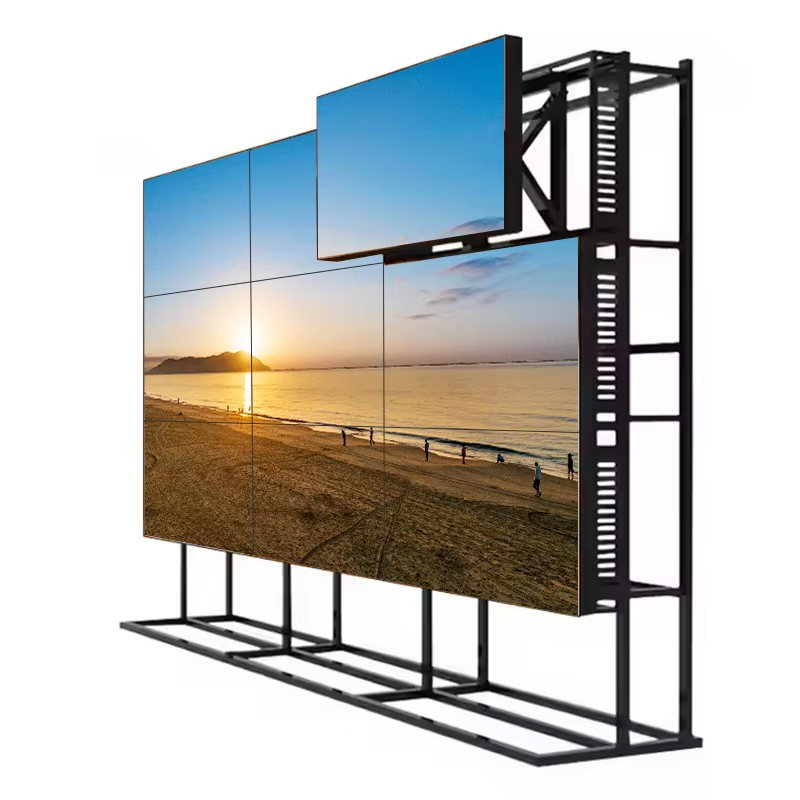
Core Technology and Panel Types Behind LCD Splicing Screens How LCD Splicing Enables Seamless Large-Scale Visual Integration LCD splicing tech gets around those old size problems by putting together several panels into one big screen. The system us...
VIEW MORE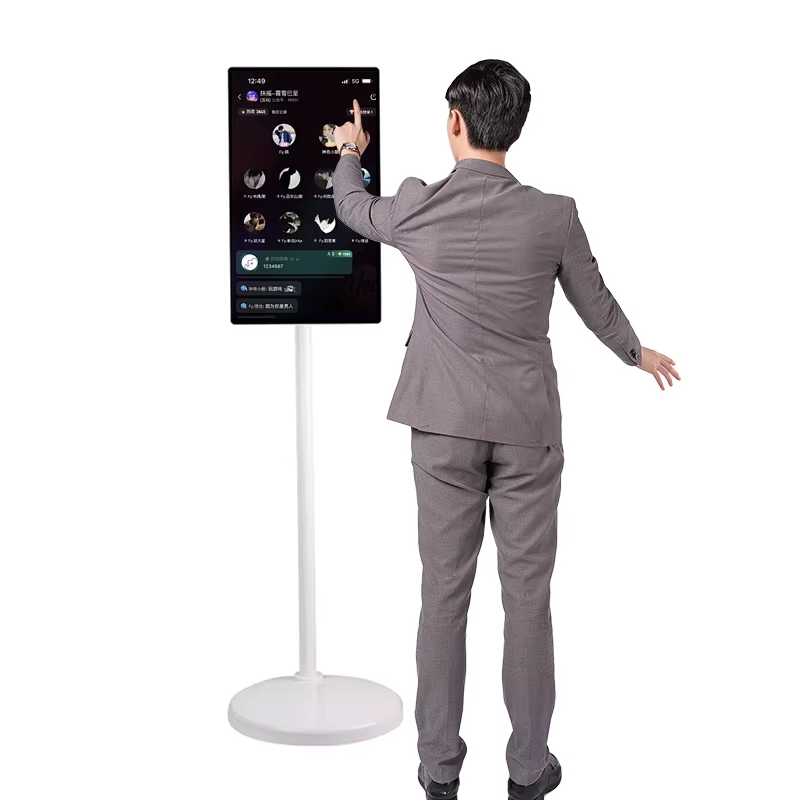
What Is a Smart TV Touch Screen and How Does It Differ from Standard Models? Smart TV touch screens combine regular TV functions with responsive touch technology that responds to our fingers. Regular TVs need remotes or other gadgets to work, but t...
VIEW MORE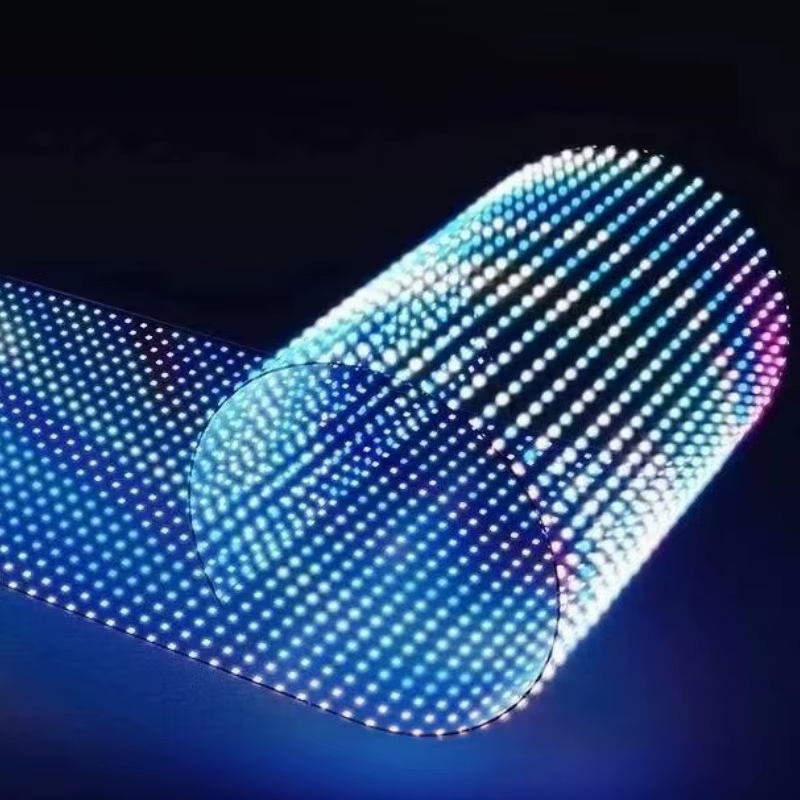
Unmatched Visual Impact and Brand Authority High-brightness, wide-color LED display performance for attention retention LED screens today can reach brightness levels above 5000 nits which means they stay clearly visible even when the sun is shining...
VIEW MORE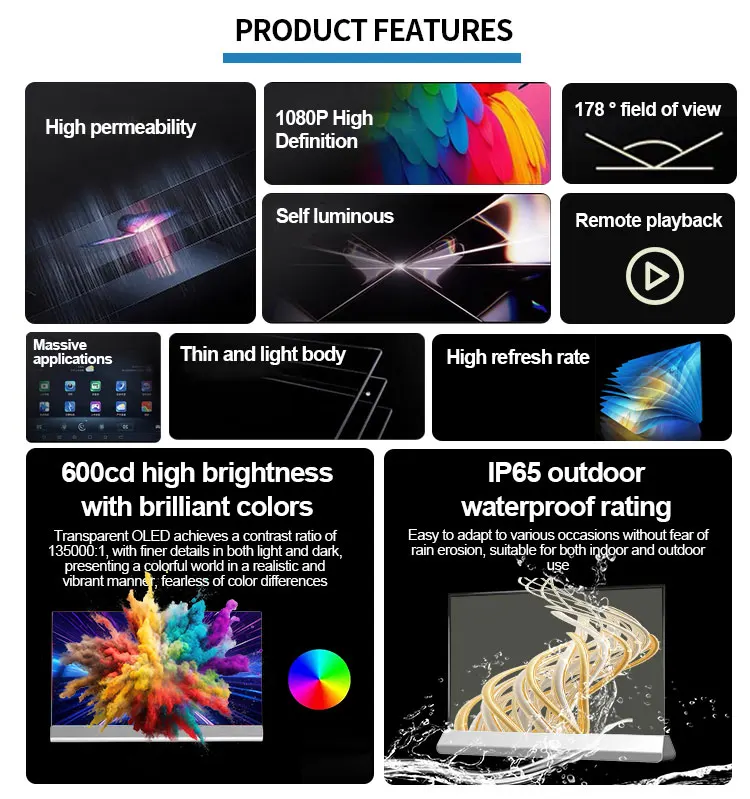
Self-Emissive Pixel Technology: The Core of OLED Color Vibrancy How individual red, green, and blue subpixels emit light without a backlight OLED screens work by having each tiny red, green, and blue subpixel produce its own light when electricity ...
VIEW MORE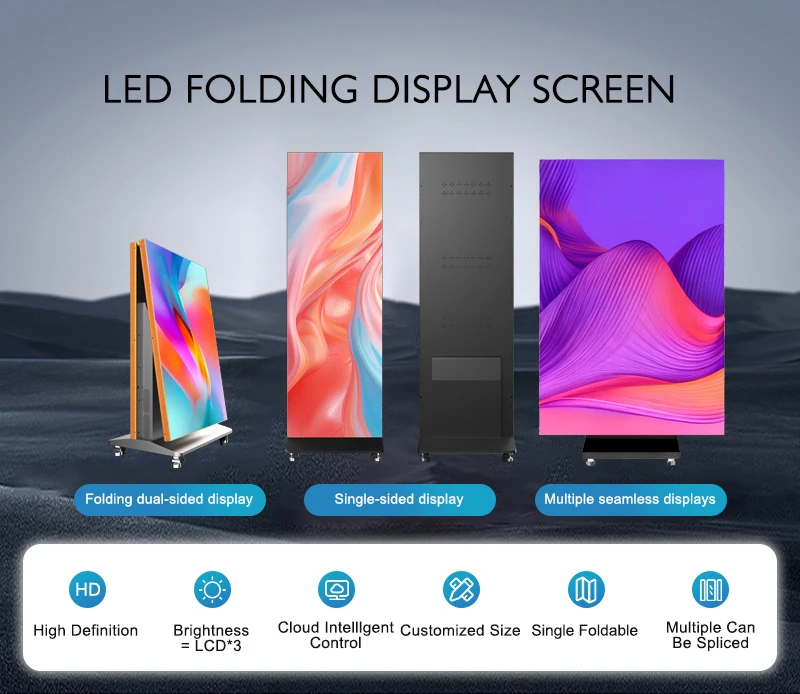
Wall-Mounted LED Poster Screen Installation Wall mounting offers a streamlined solution for deploying LED poster screens in commercial spaces like retail stores and conference rooms. This method maximizes space efficiency while ensuring prominent v...
VIEW MORE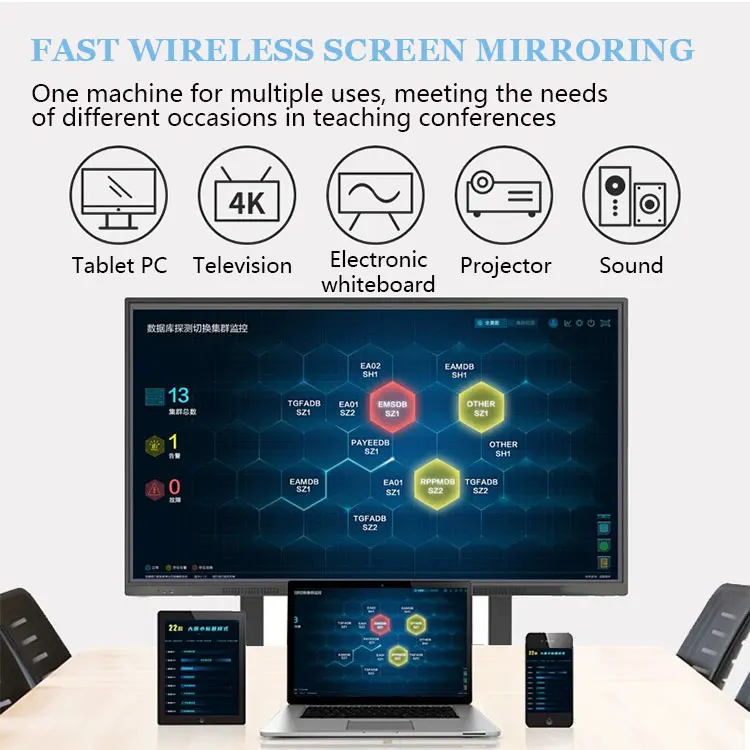
Boosting Student Engagement Through Interactive Board Technology Declining attention spans and the digital engagement gap in modern classrooms Today's teachers are dealing with some serious issues around keeping students focused. Recent data from t...
VIEW MORE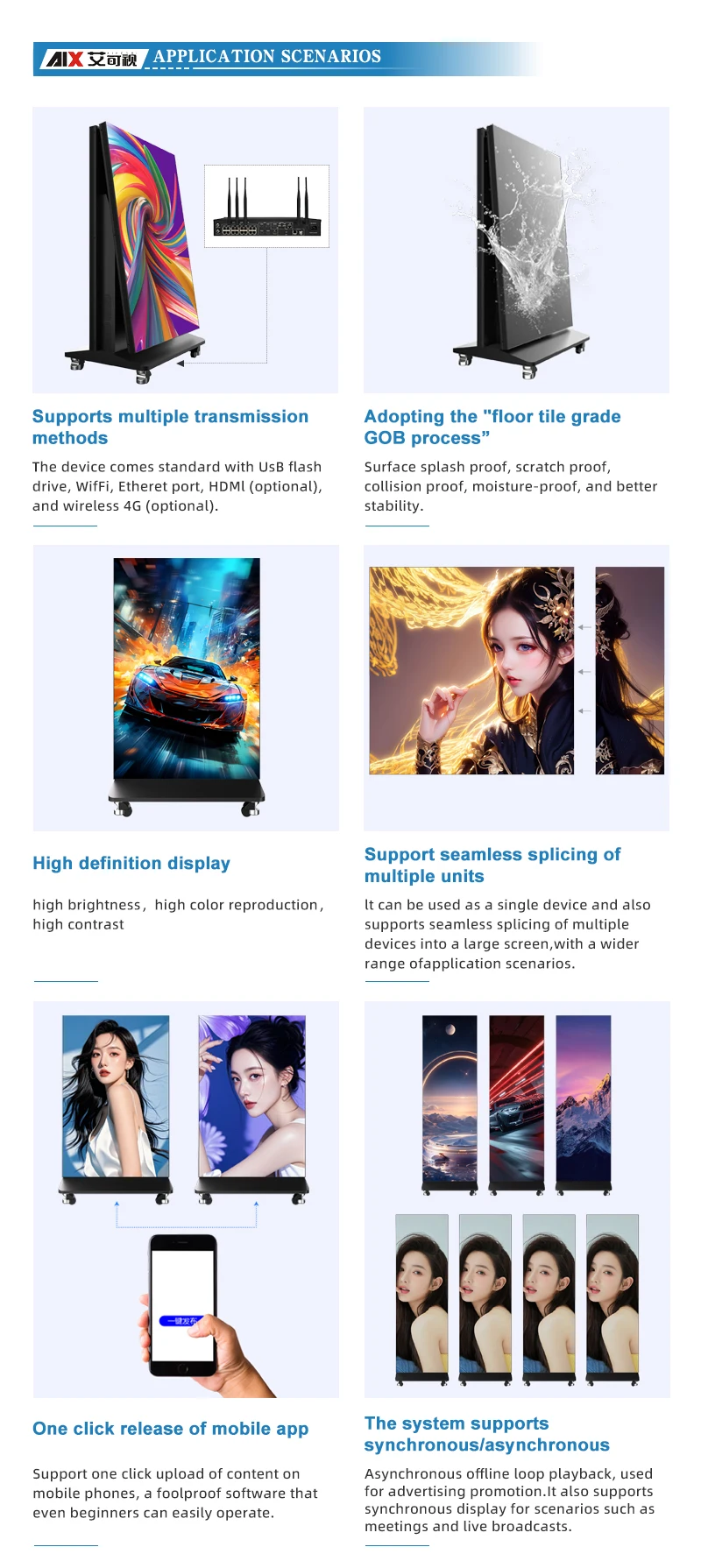
LED vs LCD Poster Screens: Durability, Efficiency, and Total Cost of Ownership Lifespan and reliability: comparing LED and LCD poster screens under 24/7 mall operation demands LED poster screens can last around 80,000 hours or more, which is roughl...
VIEW MORE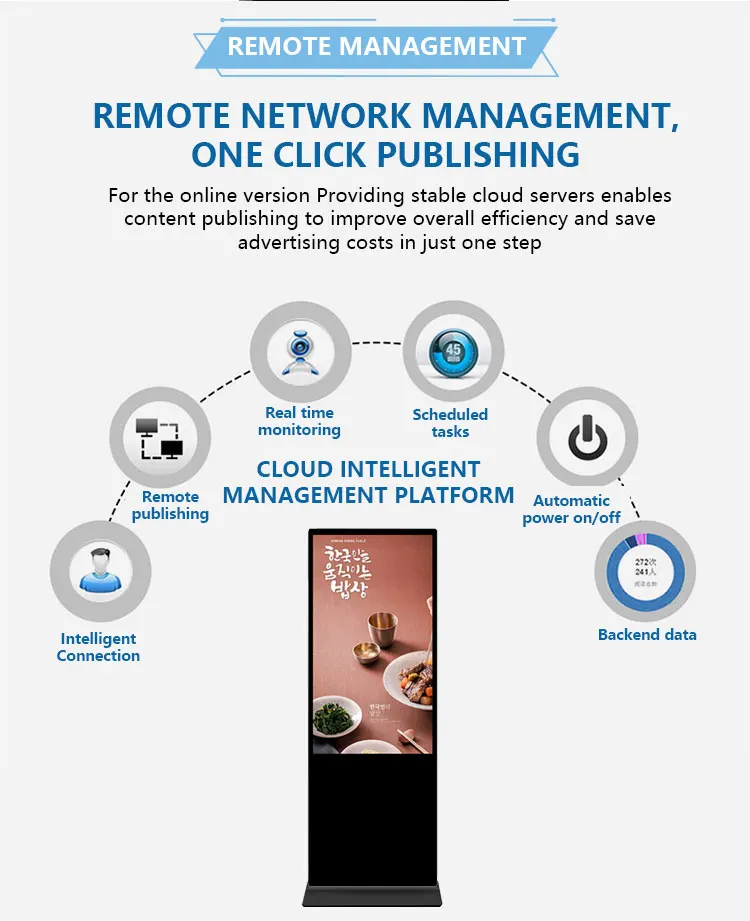
Remote Content Updates for Outdoor Advertising Machines Cloud-Based CMS Integration for Real-Time Remote Management Cloud based CMS solutions make it possible to update all those billboards and digital signs from anywhere without needing anyone to ...
VIEW MORE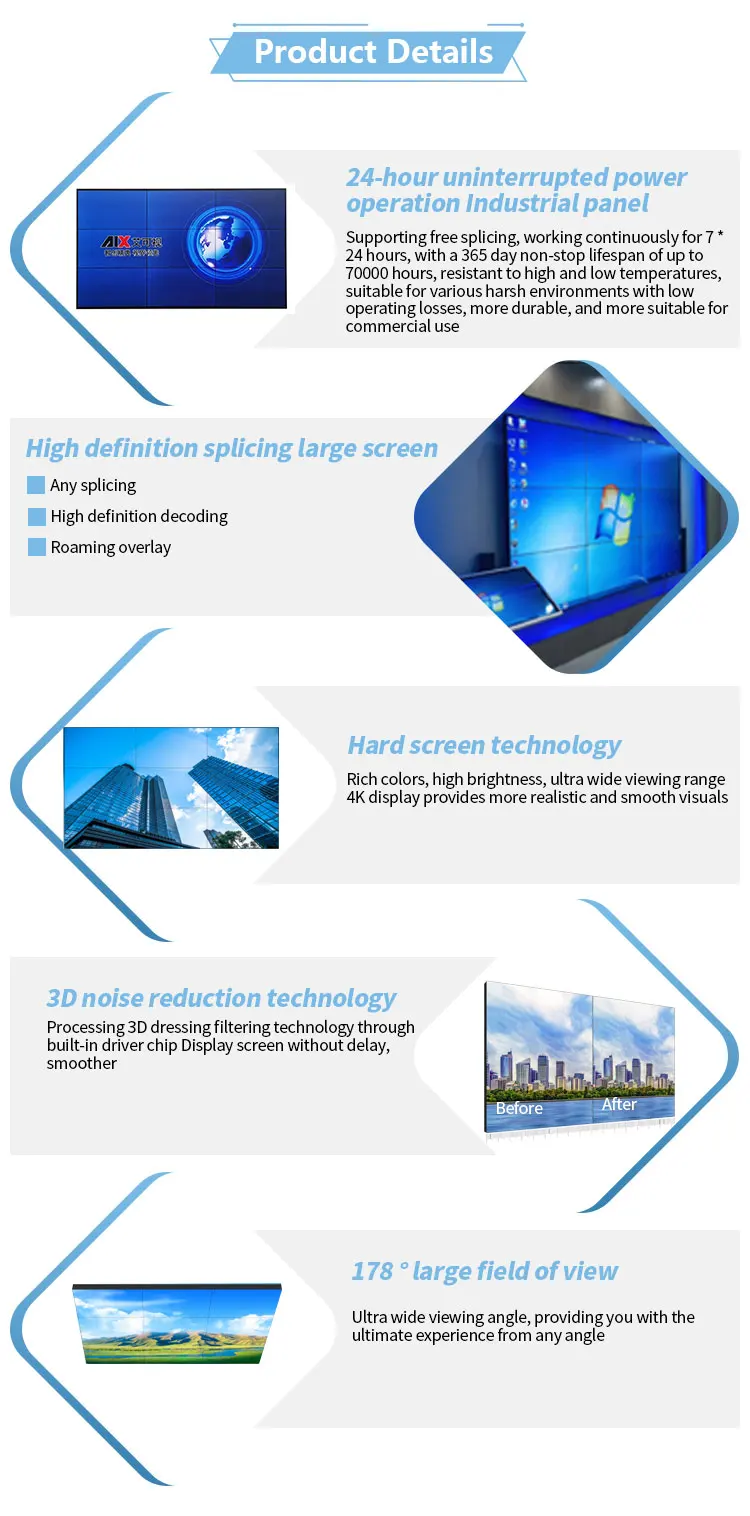
Technical Advantages of LCD Splicing Screens for Enterprise Reliability Brightness, Narrow Bezels, and Wide Viewing Angles for Mission-Critical Visibility Enterprise level LCD splicing screens can reach impressive brightness levels, sometimes over ...
VIEW MORE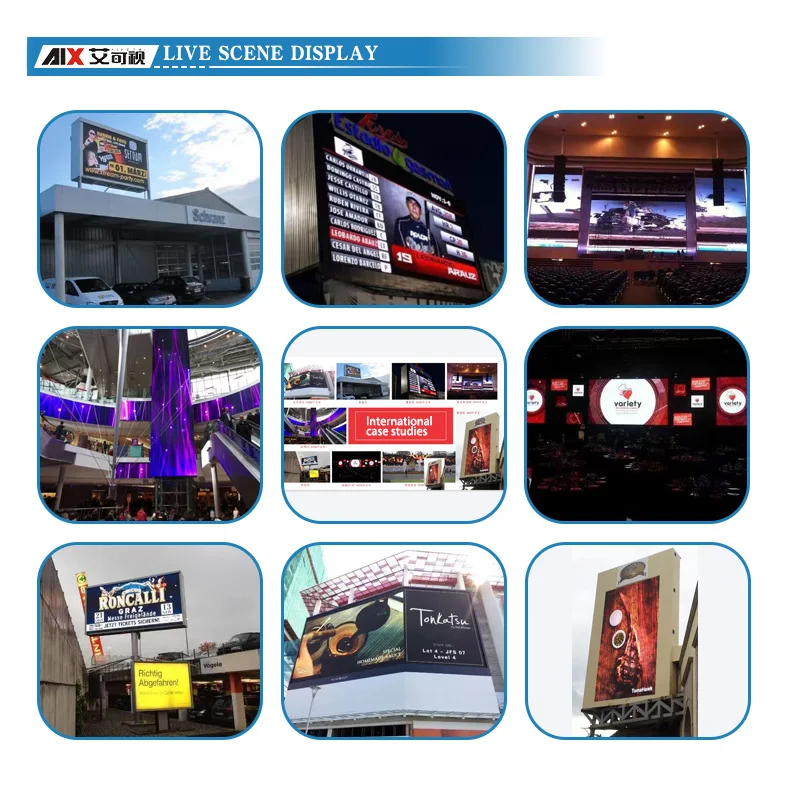
Superior Brightness and Environmental Resilience High-Nit Output and Sunlight Readability for Outdoor Arenas For outdoor events, LED screens need at least 5000 nits of brightness just to fight off that annoying sun glare problem. The colors still l...
VIEW MORE
Copyright © 2025 by Aikeshi Technology Group Co., Ltd.